
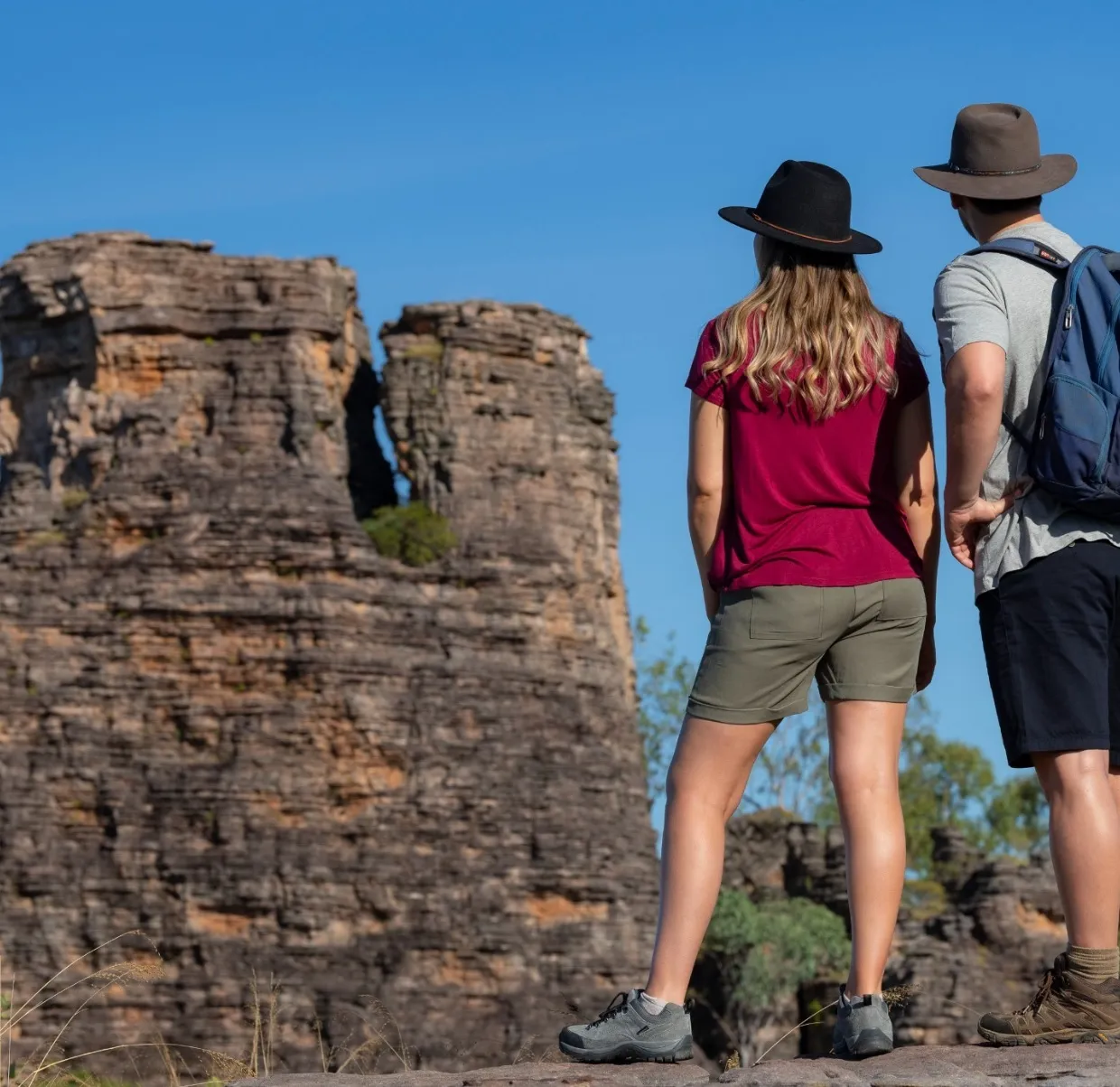
Kakadu National Park is a large land area with many indigenous people and can be explored without breaking the bank. For instance, if one were to visit ancient art sites for trekking or have a cool dip in a crystal-clear natural rock pool, then budget trips can be made to Kakadu. This guide will show how not to overspend and still maximize your experience from arrival to departure, covering everything, including transport and free activities within the park.
Planning Your Trip
A trip to Kakadu National Park is something that needs careful planning, especially when you want to achieve low costs. You can start by looking at different travel options and local places where you can stay during your holiday. There are various online platforms and resources that offer insights into budget travel in Australia, particularly the Northern Territory, which may provide invaluable tips on this subject. Apart from these, pre-mapping your route and listing down activities before starting the journey saves money while ensuring you don’t miss any of the park’s renowned attractions, such as Jim Jim Falls and Twin Falls, which are best visited during dry seasons.
It is critical, however, to consider all possible expenses- transport fares, food budgets, and entrance fees, among others when planning a budget for such a trip. An itemized budget helps in tracking spending and cuts down unnecessary costs making your trip financially manageable. It’s better, therefore, advisable to set aside some contingency funds since one may incur unforeseen expenses, especially in remote areas like Kakadu, wherein a simple flat tyre might result in additional expenditure.
Options for Getting to Kakadu National Park on a Budget
Public Transport Solutions
Budget travelers often choose public means while travelling around Australia hence there are buses that link Darwin city centre with Kakadu National Park cheaply compared private Kakadu tour operators.” These buses operate frequently during tourist season times coinciding with major flight arrivals or departures thus facilitating international as well interstate visitors assembling them easily.
Carpooling and Ridesharing
Those who are more flexible with their time can consider carpooling as an option to travel in a cheaper and eco-friendly way. For instance, you can check out travelling forums on Gumtree or local Australian ones where you will come across people going to Kakadu and may be interested in sharing the ride. Apart from splitting fuel expenses, such trips may also lead to new friendships and shared experiences that could be unforgettable when exploring the amazing landscapes of this park.
What to Know Before You Go
Before setting off into the wilds of Kakadu, it is important to know what you need for a successful trip. The first thing is getting yourself a park pass which is mandatory for all visitors and helps toward the conservation and management of Kakadu National Park. These passes can either be purchased online or at visitor centers ranging from one day permit to yearly licenses discounted for children as well as families.
Also important is knowledge about the park’s safety protocols and regulations. In addition, since Kakadu’s remote wilderness houses diverse flora, including saltwater crocodiles, observance of safety practices has become necessary within this region. Crucial information regarding potential dangers can be found through signs located around water bodies as well as tourist places.
Which is the Best Time to Visit Kakadu?
A visit to Kakadu during the dry season (May – October) comes with several advantages for budget-conscious travelers. The weather is more predictable then and reduced humidity as well as cooler temperatures in these months means hiking and exploring it are far more comfortable. Additionally, this time coincides with flowering bulbs indigenous plants, providing a richer experience of the park’s botanical beauty.
Moreover, travelling before or after peak season can help you save money even more because accommodations lower their rates while there are fewer people in the park, making it possible to have a personal interaction with nature. Here are some figures on average visitor numbers and accommodation costs throughout the year:
| Month | Visitor Numbers | Average Accommodation Cost |
|---|---|---|
| June – Aug | High | High |
| May & Sept | Moderate | Moderate |
| Oct – April | Low | Low |
Car vs Camper in Kakadu?
Choosing between a car and a camper will significantly affect your budget. Initially, renting a car may seem like an option that can save you some money; however, when combined with costs for overnight stays and eating out, this can quickly add up. Conversely, through combining transportation and lodging into one package, having a camper gives you flexibility that is difficult for other means of transportation to offer. Though the initial rental fee might be higher than hiring a car, cooking your own meals and sleeping arrangements, which can be changed anytime, could lead to significant overall savings.
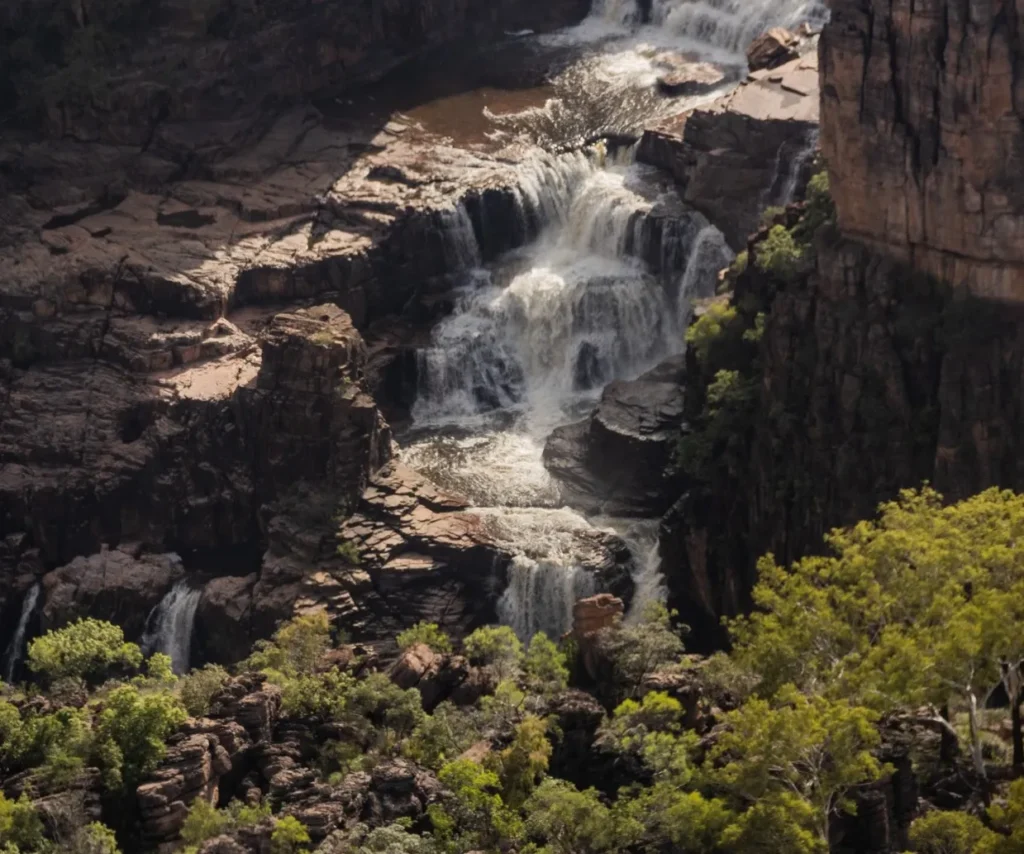
This choice also affects how you will negotiate Kakadu’s extensive network of sealed roads as well as unsealed ones. Driving by car will bring tourists to most major sites, such as Nourlangie Rock and Ubirr, although getting into remote corners may require something stronger like campers or 4WD vehicles. The following features should be considered:
- Cost: Compare daily rental prices versus the cost of car rental plus accommodation & meals.
- Convenience: Evaluate how easy it is to travel to and set up at different locations across the park.
Accommodation Options
Staying within Kakadu doesn’t have to be expensive. There are many camping and caravan sites in the park which besides being pocket-friendly, also enhance wildness experience. For instance, places like Jim Jim Falls camping areas or Kakadu Lodge offer basic facilities like picnic tables, BBQ areas, and sometimes a swimming pool where you can freshen up after exploring during the day.
Alternatively, for guests who prefer some extra comfort there are budget accommodations such as Aurora Kakadu Lodge or well-known Mercure Kakadu Crocodile Hotel that offer cheap options without compromising on convenience. Booking them ahead of time guarantees better prices plus you won’t be disappointed if there’s high demand due to peak times of travel.
Things to Do
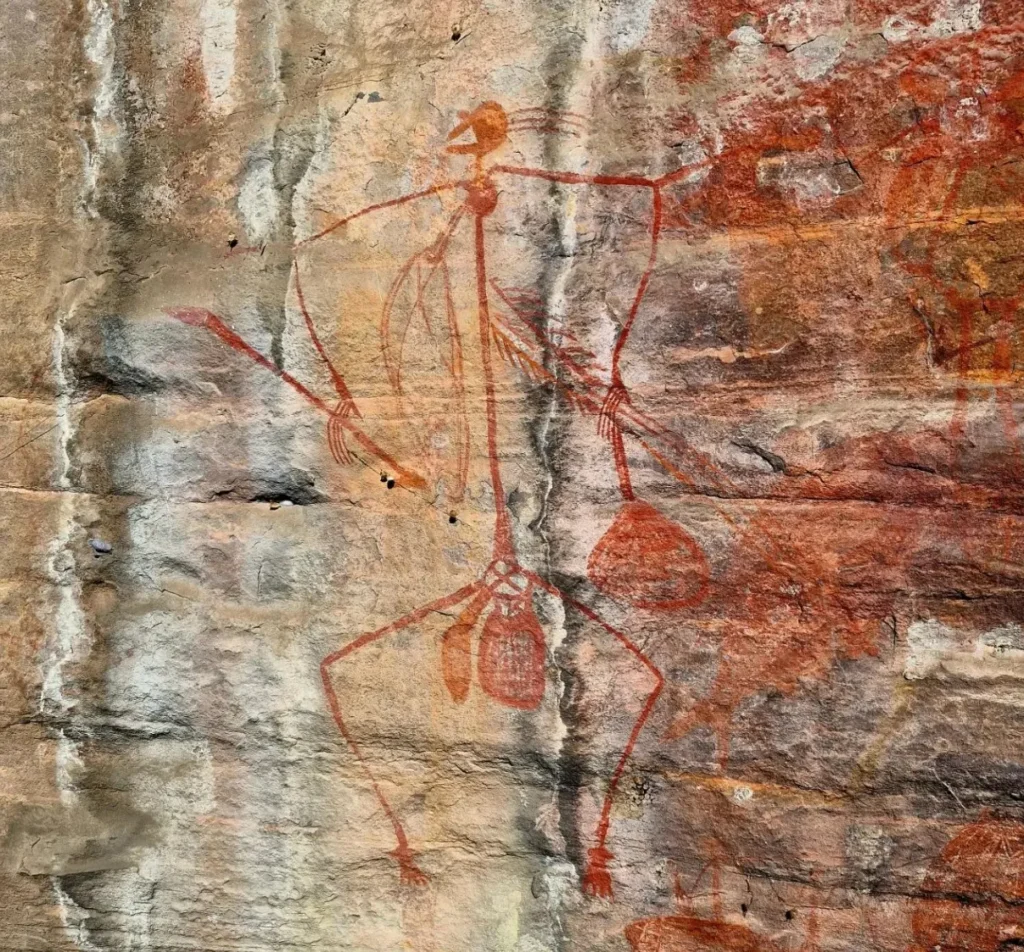
This makes it an ideal destination for shoestring travellers since Kakadu National Park has a wide range of activities designed for all kinds of budgets and interests. It boasts Aboriginal rock art sites such as Ubirr and Nourlangie Rocks that allow visitors into ancient indigenous cultures without spending anything beyond their entrance fee to the park. Rock art galleries contain stories and traditions about aboriginal people providing insights into one of the oldest existing civilizations in the world.
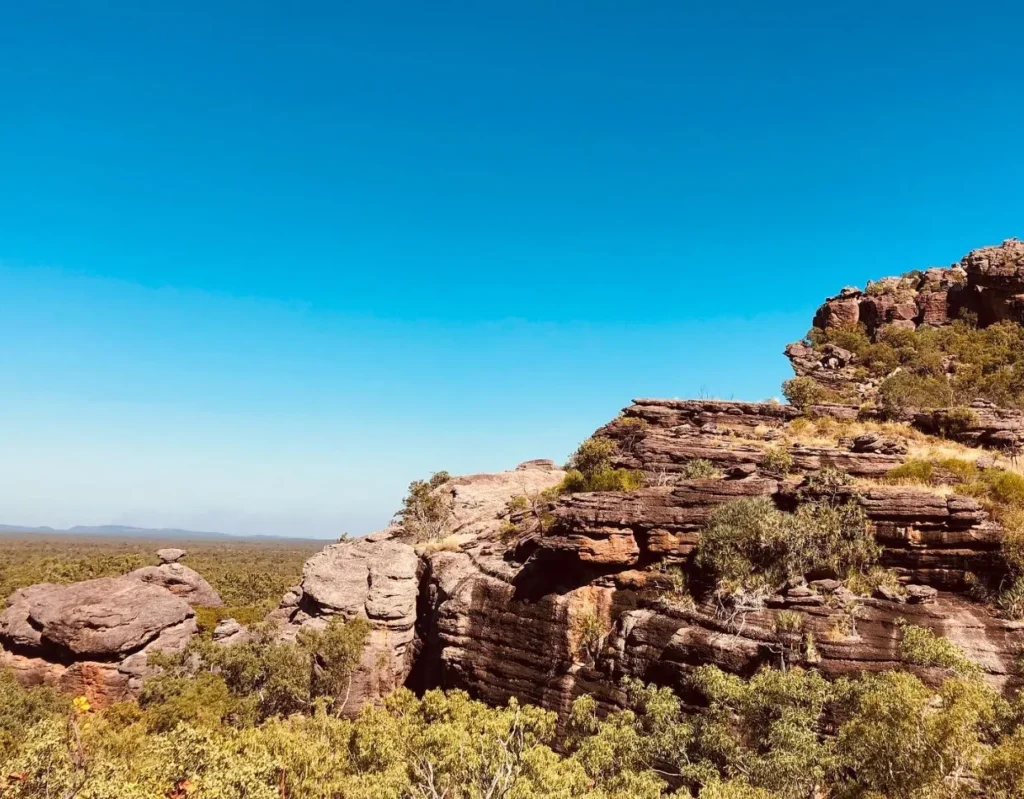
The park is home to rock art and other natural landscapes that provide an endless list of free activities for visitors. From hiking trails and bird watching to different ecosystems, there is a lot of adventure awaiting you. The flora and fauna are indeed very diverse; it has an array of birds, including the rare ones and many others, which can be seen in their natural habitat. Kakadu offers about one-third of all Australia’s bird species, making it a perfect place for keen bird watchers. The concentration of birdlife is immense, especially at places like Anbangbang Billabong and Yellow Water, where there are numerous bird-watching trails and designated hides.
Walks & Lookouts
The walking tracks and lookout points in Kakadu offer amazing views over the dynamic landscapes ranging from wetlands to sandstone escarpments. Each trail has unique features. One example is Barrk Sandstone Walk that enables you to go through different habitats ending up with magnificent views across Arnhem Land escarpments at sunset—an experience that will forever remain in your mind. These trails range from gentle strolls suitable for all fitness levels to more arduous treks that reward hikers with secluded spots or sweeping vistas.
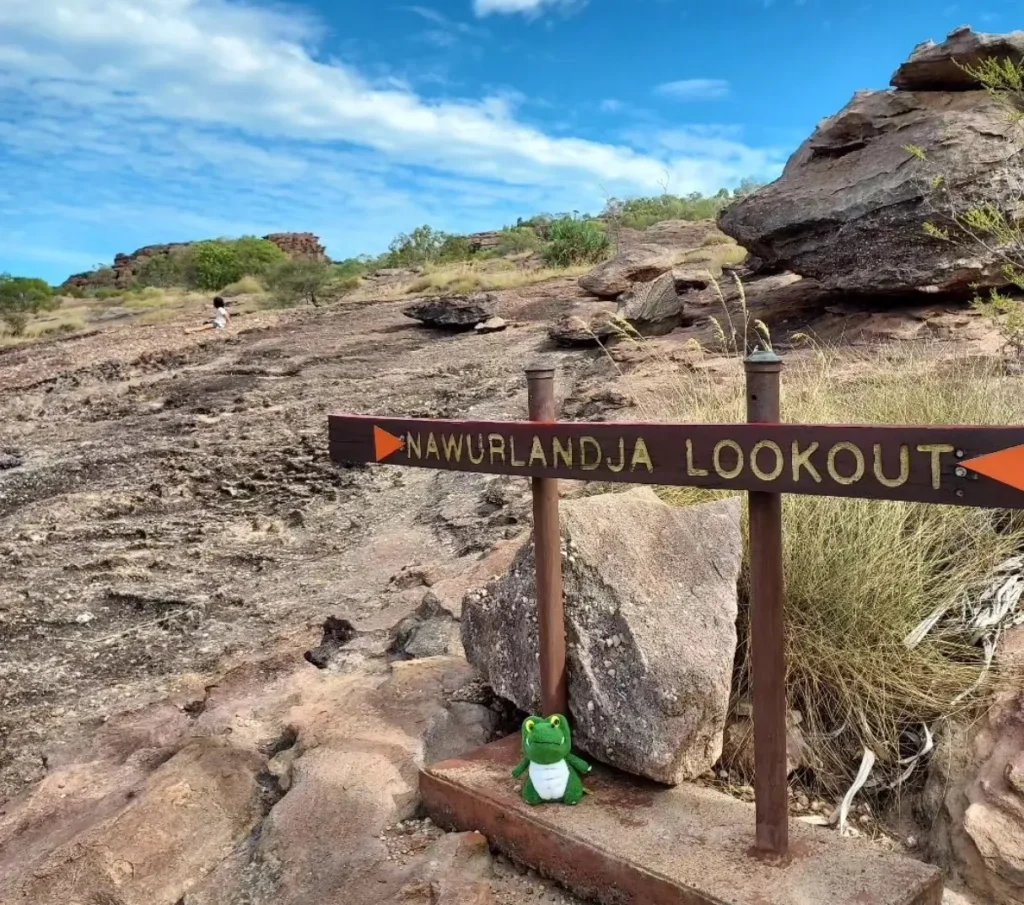
Some must-see lookout points include Ubirr Rock and Nawurlandja Lookout. They are high points from where you will see panoramic floodplains extending into infinity, especially under the golden sunlight conditions during sunrise or sunset time when these lands acquire heavenly light around them. Apart from such great moments for photography, they equally give people opportunities to meditate on nature and its enduring beauty within Kakadu’s limits.
Swimming & Chasing Waterfalls
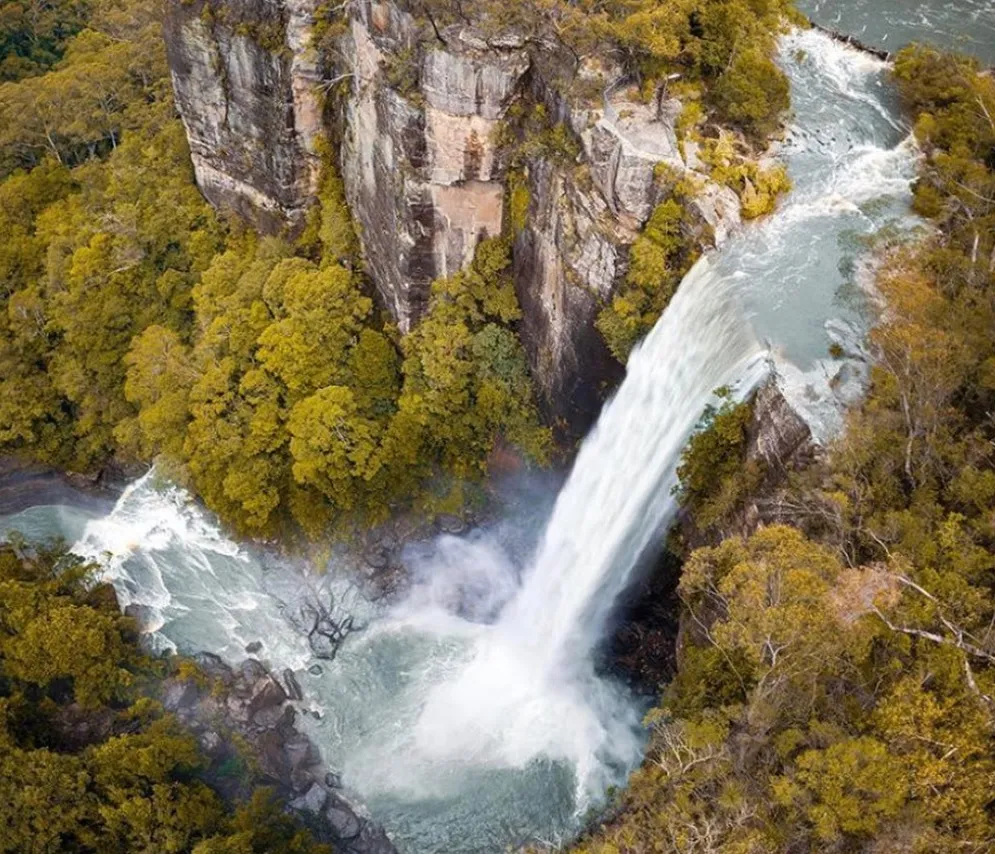
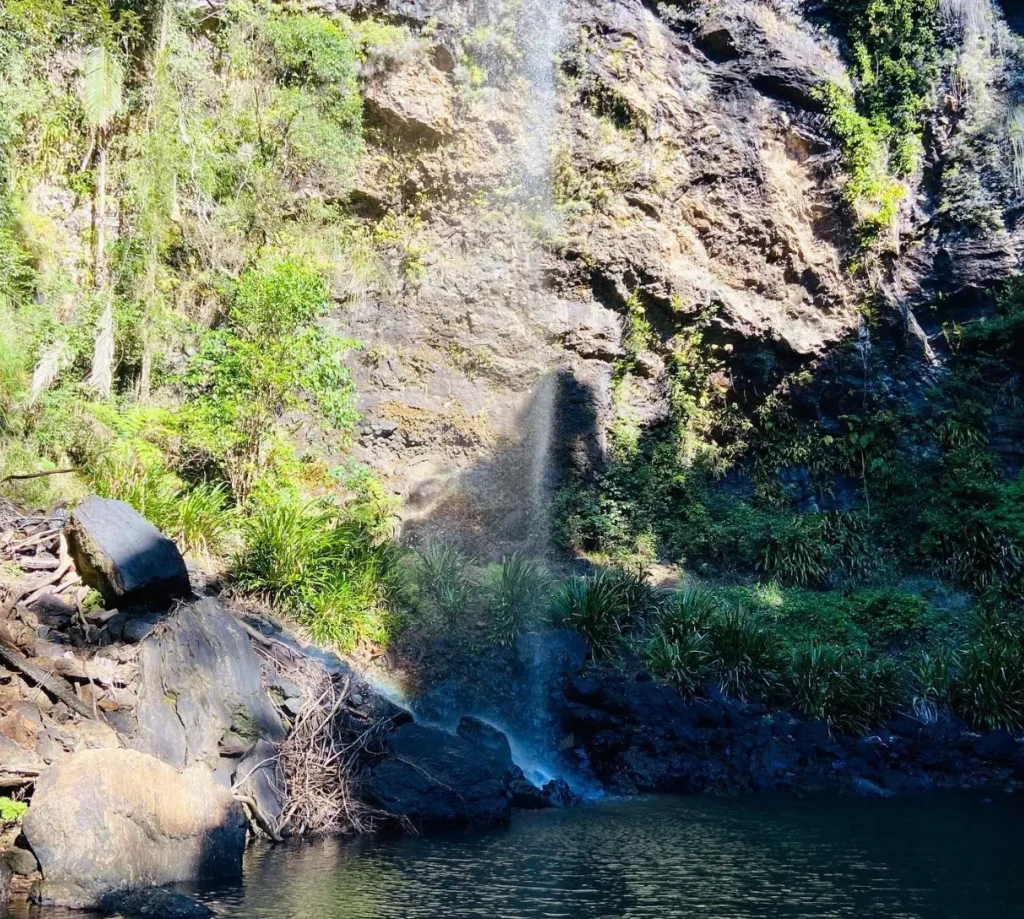
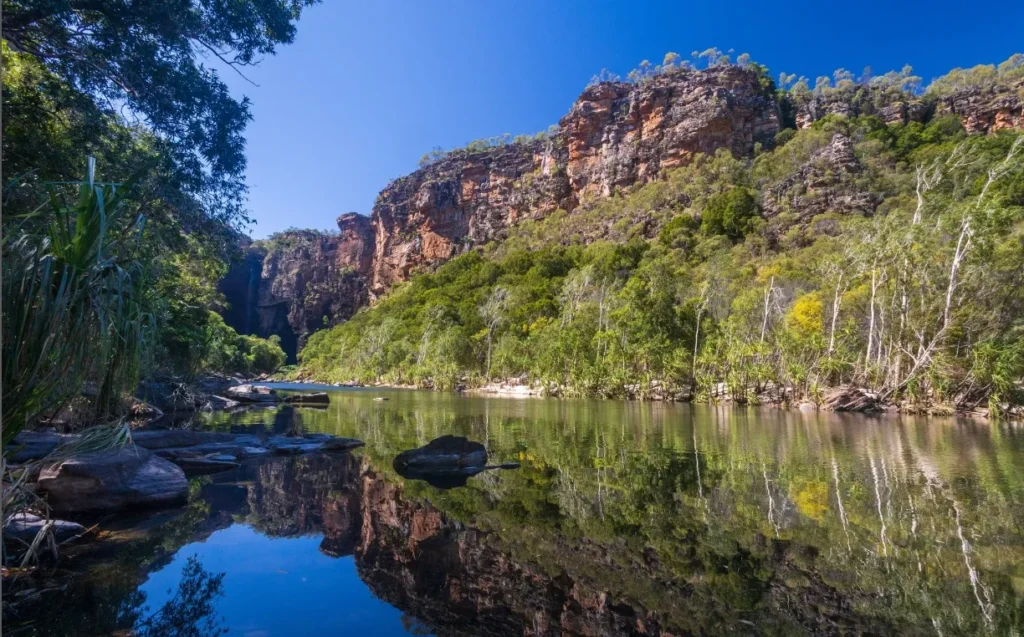
One cannot fail to be excited by the multitude of swimming holes and waterfalls in Kakadu National Park located against breathtaking backgrounds. Well-known places like Jim Jim Falls as well as Gunlom Falls open during the dry season presenting marvelous environments for plunge pool swims through the natural ponds. These areas are encompassed by dense vegetation and steep cliffs that offer a cool escape from the harsh sun while giving bathers an opportunity to relax in nature’s own jacuzzis.
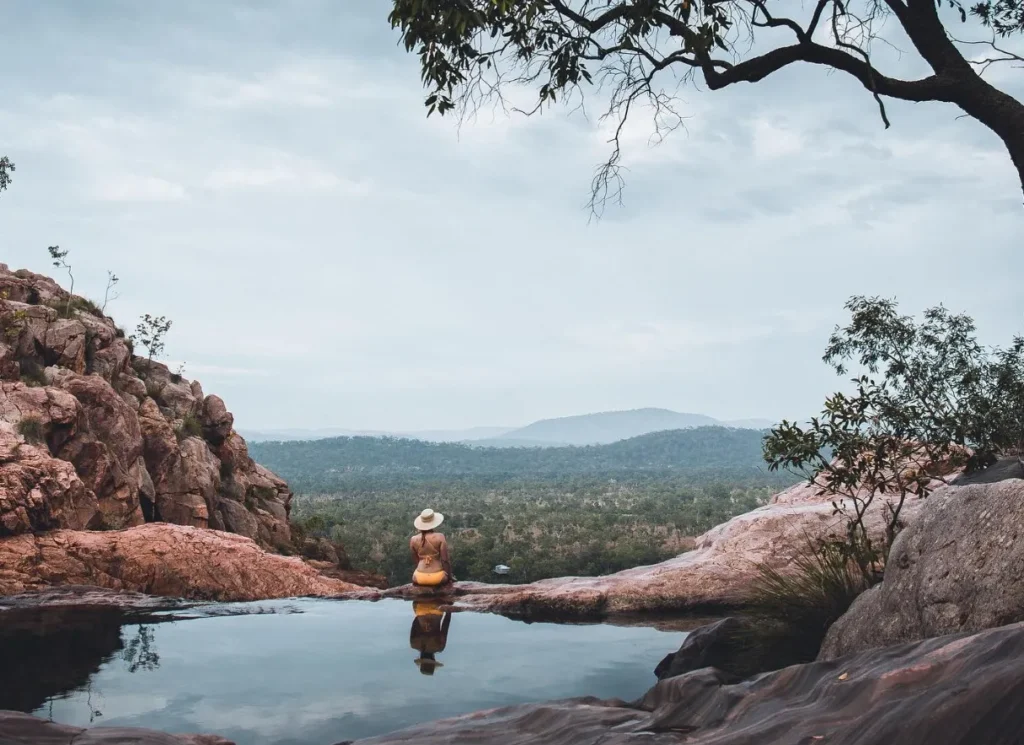
It is highly important to always check safety signs before diving into any swimming area because water conditions can change, and some areas may be closed off depending on weather seasons or cultural practices. You should also respect the park’s rules as they have been put in place for your protection and also to protect the environment. Swimming in these natural pools surrounded by ancient rock formations is refreshing but it also serves as a reminder of the forcefulness of nature.
Some key things to note
Travel responsibly and sustainably when visiting Kakadu. The park holds great cultural significance for the Indigenous Bininj/Mungguy people, thus respecting their land and traditions is crucial. Stick to designated walking tracks, do not leave any litter behind, use products that are eco-friendly so as to reduce environmental impact. Hence you keep the park intact thereby allowing future generations enjoy this amazing cultural heritage and natural environment.
Additionally, visitors should realize that Kakadu is only accessible via remote areas implying that one must carry adequate provisions such as water, food or even fuel needed during their stay here. Mobile signal might not be available therefore physical maps together with GPS devices is recommended. Knowing how vast this area sometimes becomes hostile will actually make your trip much safer and more fulfilling.
The truth is that you can explore Kakadu National Park on a budget and still have an amazing experience. You only need to plan in advance, choose cheap travel options, and make the most of free activities to be able to see and appreciate the amazing natural beauty as well as the deep cultural heritage of Kakadu without hurting your pocket. This journey inside one of Australia’s iconic national parks illustrates how an adventure doesn’t need to be costly to remain memorable. Love nature’s beauty, revere cultural places and carry these memories with you till you die.
FAQs
What are some must-see sights in Kakadu National Park?
- Ubirr Rock – Known for its prehistoric rock art galleries along with sublime lookouts above floodplains.
- Jim Jim and Twin Falls – These are famous waterfalls where visitors may not only enjoy their awe-inspiring scenery but also go for swimming.
- Yellow Water Billabong – A great place to spot wildlife specially crocs & birds.
- Nourlangie Rock – Another one of rock art sites which give us insight into Aboriginal spiritual lives and daily routines.
- Gunlom Falls – One-of-a-kind waterfall plus natural infinity pool with Woodland views
What is the best way to travel around Kakadu National Park?
To get around Kakadu, the preferred mode of transport would be by car or campervan so that you can drive at your own pace and take along all your needs for the trip. Consider hiring a 4WD vehicle if one wishes to get off-road access safely at remote areas as well.
How can I ensure my safety while swimming in natural pools?
Always observe any warning signs posted near bodies of water; these signs are updated regularly to reflect conditions like presence of crocodile or water quality. Swim only within designated safe swimming areas.
What should I pack for a day trip in Kakadu?
Essentials for a day trip include plenty of water, sun protection (hat, sunscreen, sunglasses), comfortable walking shoes, a map or GPS device, snacks, and a first-aid kit. Also bring your camera to capture the beautiful scenery.
How can I respect the Indigenous culture while visiting Kakadu?
Always stick to marked paths and designated visitor areas, especially at cultural sites. Attend ranger-guided day trips Darwin to Kakadu for a deeper insight into Aboriginal culture and history. Don’t touch rock art or cultural objects of any kind.