
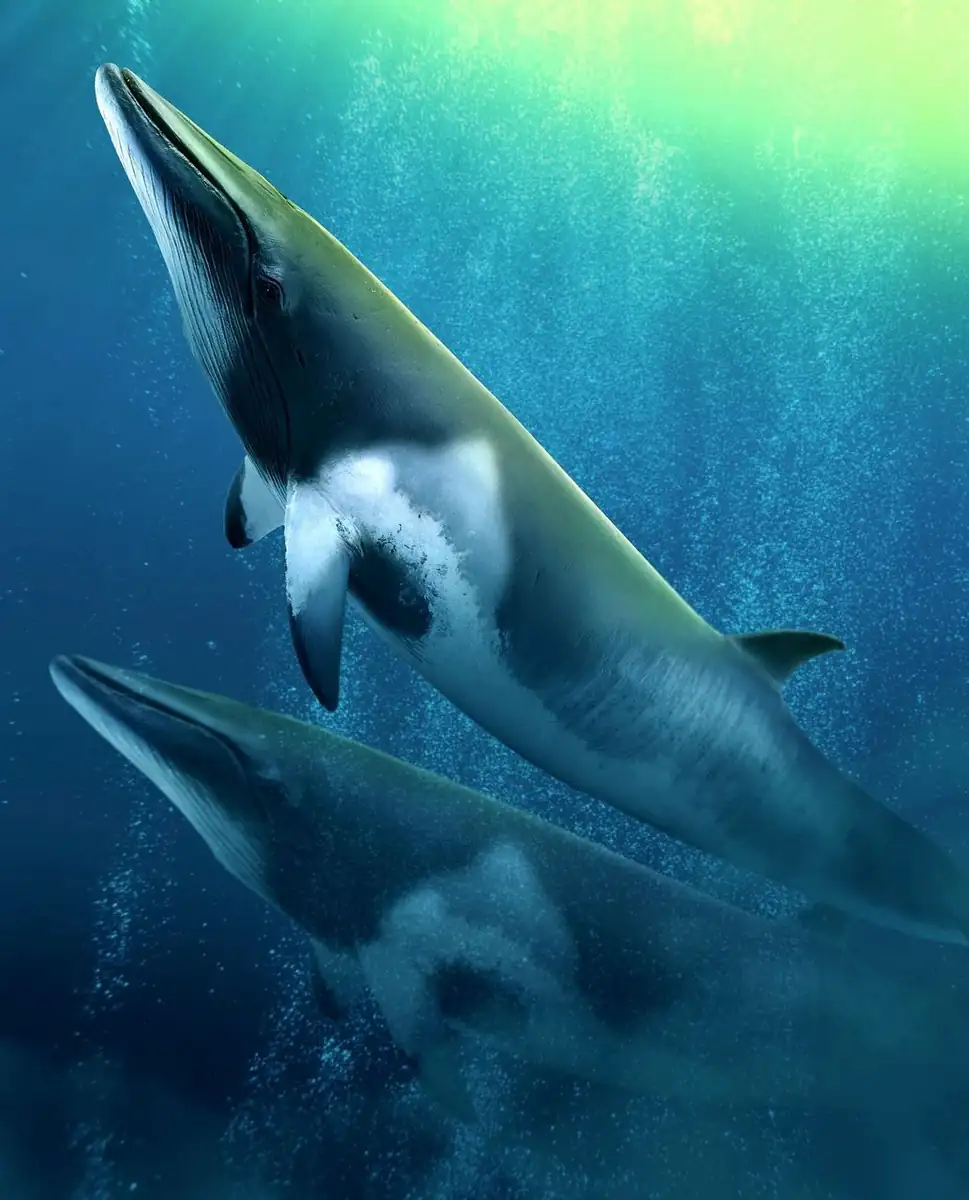
The 2026 minke whale experience: how to dive in with dwarf minke whales on the Ribbon Reefs – & not get sold a dream.
The 2026 Minke Whale Experience isn’t your run-of-the-mill reef trip & that’s exactly why it works. If you want the blunt answer: yeah, you can swim with dwarf minke whales on the Great Barrier Reef, but the catch is you can only do it in June & July, only in the far northern Ribbon Reefs & only with a real licensed liveaboard boat operator.
Hi, I’m Paul. I’ve spent way too many nights on boats north of Cairns and Port Douglas to know what’s real wildlife interaction & what’s just some marketing nonsense. This isn’t like booking a Scenic Flight Whitehaven Beach as an afterthought to your holiday – it’s a commitment. A few nights at sea, with open ocean beneath you, & the marine life calling the shots.
Let’s break this down so you know what to expect in 2026.
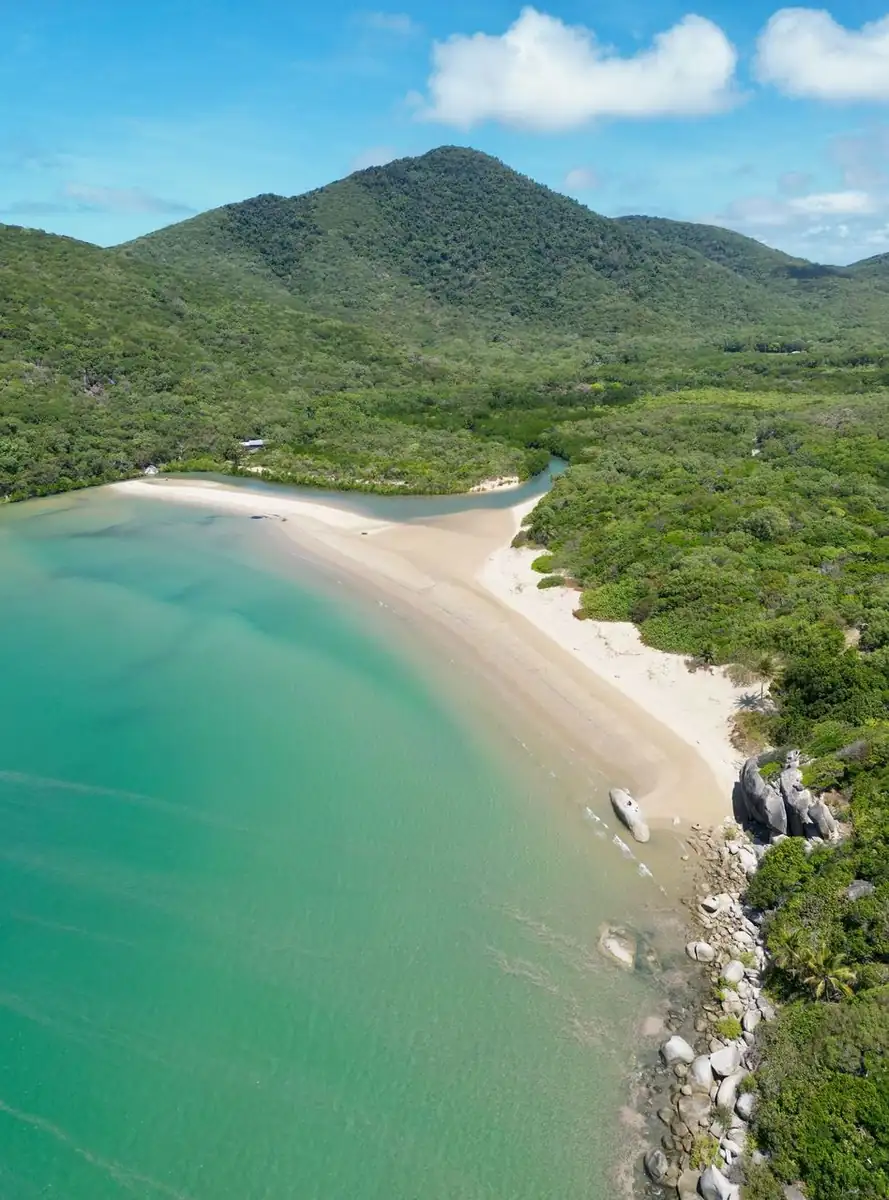
The Northern Ribbon Reefs Are Where It’s At
If you’re based in Port Douglas or Palm Cove, you’re close, but you’re not close enough. The dwarf minke whales hang out way north of the mainland at the Ribbon Reefs, inside the Great Barrier Reef Marine Park & out in the open ocean.
Most day trippers head to the outer reef platforms or similar sites. Agincourt Reef is a great snorkel site and an excellent dive spot. But the dwarf minkes tend to congregate a bit further north along the Ribbon Reefs corridor when they’re migrating. The research teams and the licensed operators all agree – this is the best place in the world to see minke whales up close in the water.
Seasonal snapshot:
- Peak months: June and July – this is when they are most likely to be around.
- Water temperature: about 22–24°C – pretty nice for a swim.
- Whale size: They’re on the smaller side – 6–8 metres.
- Access: Liveaboard dive trip only – this is no hop-on snorkelling tour from Port Douglas.
This is not some beach holiday hop – it’s an expedition.
What Actually Happens In The Water
The phrase “swim with whales” makes it sound all action-packed. But the reality is pretty laid-back & actually much more respectful.
There are rules governing interactions with whales, set by the Great Barrier Reef Marine Park Authority. Only a few boats receive permits each year. The operators collect data on the whales’ behaviour, limit the number of people in the water at any one time, and enforce strict rules governing conduct.
When you do spot some whales:
- You enter the water at the operator’s discretion and quietly.
- Everyone holds onto a line, so you are hooked up to the boat.
- You remain as still as possible.
- The whales will come over to say hi if they feel like it.
You don’t go diving at them, splashing around or chasing after them. The experience is more about being still & letting the whales come to you. The first time I tried it, I expected all adrenaline, but what I felt was a stillness. A shadow appeared in the water. A minke whale comes up, passes under the line, does a little roll and then swims back out. It’s not all rushed & action-packed – it’s a pretty deliberate experience.
That’s what makes this whale encounter so unique.
Compared With Global Whale Tours
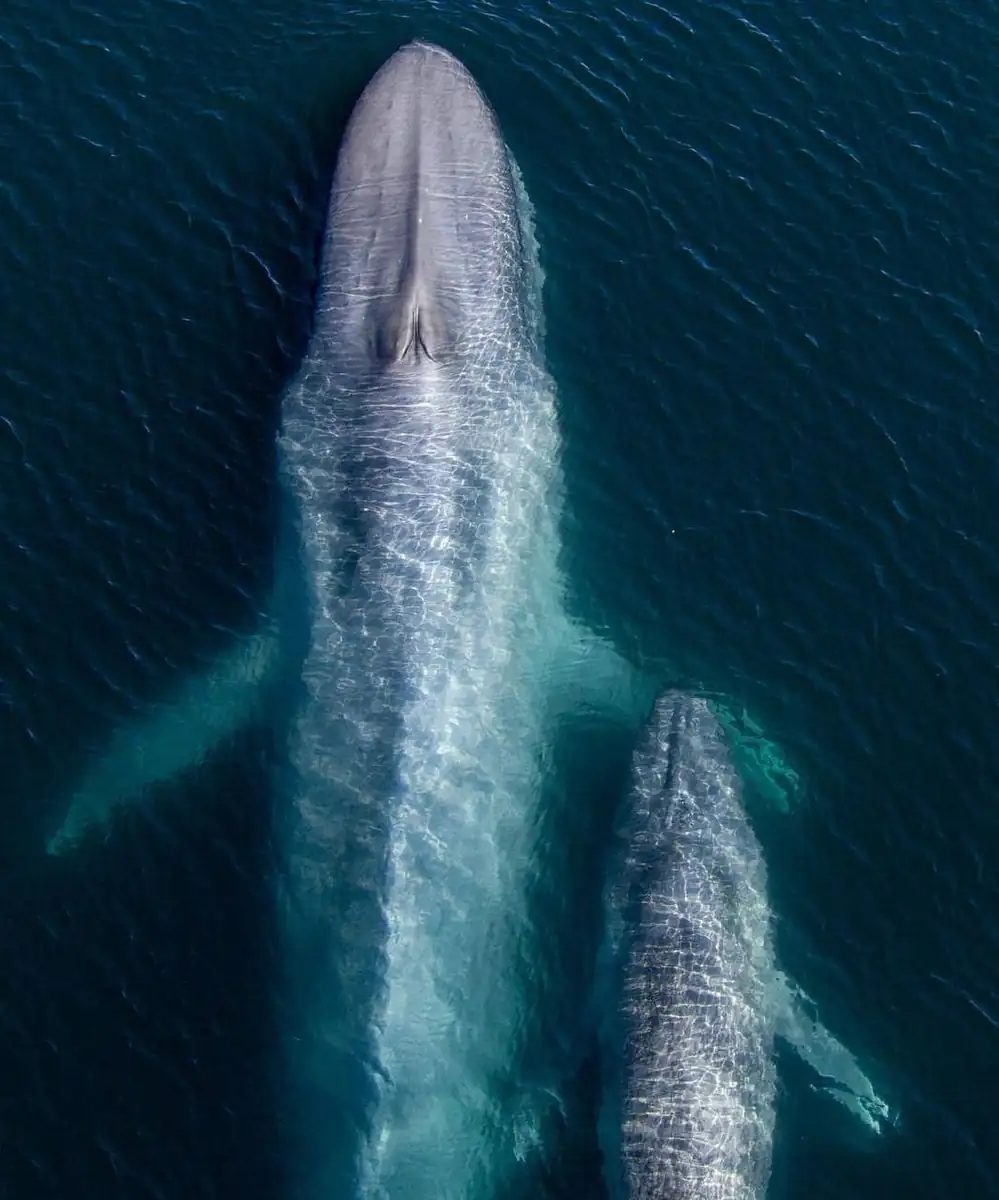
People often ask how this compares to whale watching in South Africa or to spotting a Blue whale in the open ocean. Because let’s be honest, Blue whales are monsters, and you typically try to get a glimpse of them from a distance out in the offshore waters or the polar regions. But you won’t be swimming with Blue whales in Queensland – that’s just not how it works here.
Dwarf minke whales, on the other hand, are smaller and a whole lot more curious. And one thing you won’t find anywhere else in the world is the kind of up close, in water interactions with these guys that we get, all under the watchful eye of course of our excellent guides.
And that really matters.
It’s like comparing a stunning Scenic Flight over Whitehaven Beach to taking on the Larapinta Trail. Both will leave you breathless, but you’re in a totally different league when it comes to the level of immersion.
Inside A Four-Day Expedition
We operate most departures from Cairns and can arrange transfers from Port Douglas and Palm Cove if needed. You can leave the logistics to the experts – we work with a great partner called Great Barrier Reef Tours to make sure everything runs smoothly. The boat itself is a liveaboard dive vessel – not a fancy cruise liner.
What can you expect from a typical 4-day trip?
Day 1:
You board the vessel, we steam off into the night and get a good night’s sleep. Next morning, we’ve got some important safety and whale briefings to go over.
Days 2 and 3:
Morning is all about the whale sessions, interspersed with some pretty incredible coral dives at some of the best dive sites in the country. And in the evenings, we’ve got some talks on marine life to get you in the mood for the next day’s adventures.
Day 4:
We do a few more dives and then head back south.
As for the price tag, we’re talking $2,200 to $3,500 per person, depending on the vessel and cabin style you choose. And don’t forget to add on the cost of your dive gear and marine park levies. And don’t say I didn’t warn you – the cabins may be compact, but they’re not luxury suites. If the wind picks up while we’re out in the Coral Sea, it can get a bit lively, so come prepared with your seasickness meds – even if you’re usually rock solid.
Marine Life Beyond The Whales
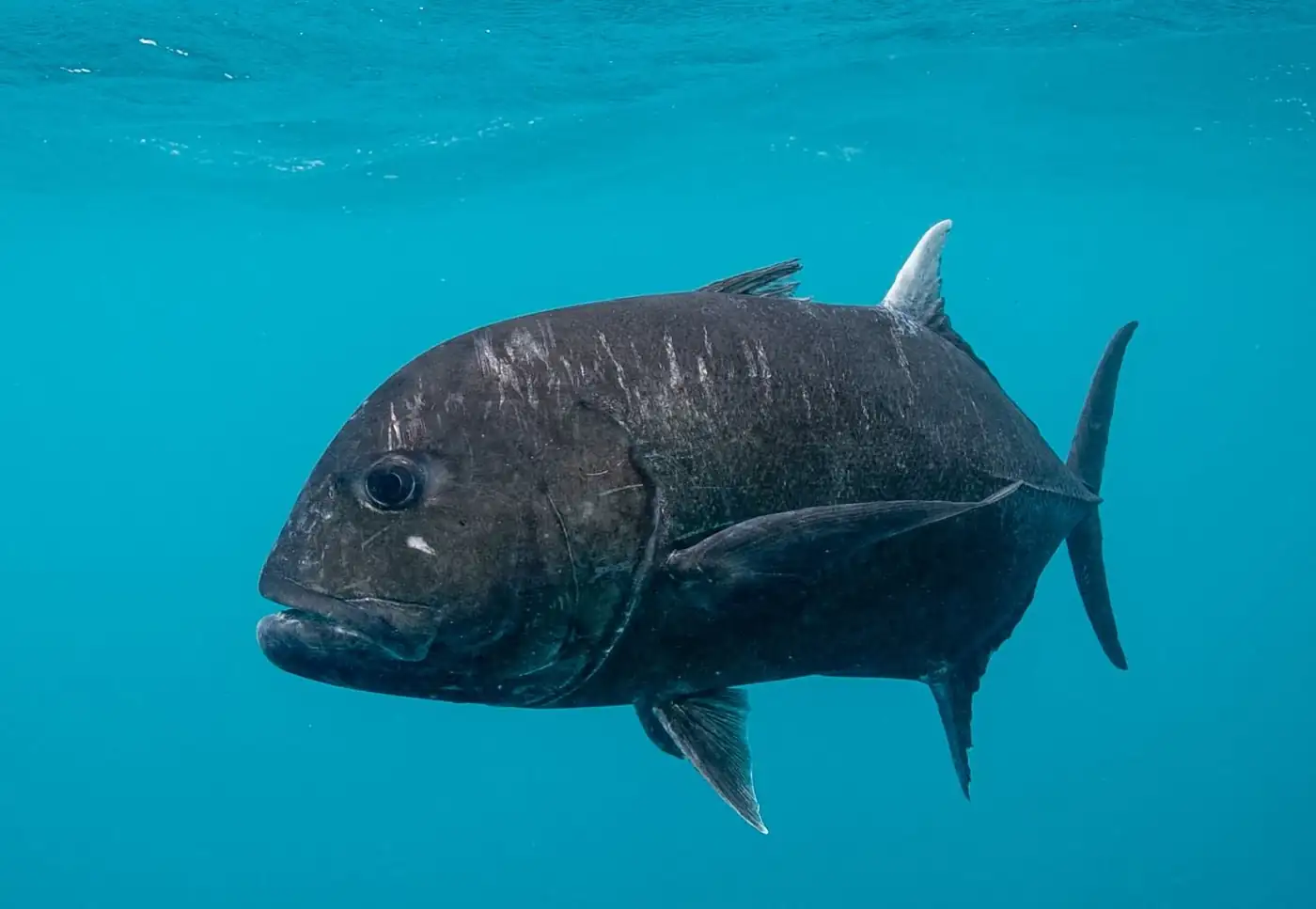
And don’t even get me started on the marine life in these waters. Okay, the minkes may be the start of the show, but the Ribbon Reefs are just as impressive.
So what should you expect?
- Grey reef sharks
- Potato cod
- Giant trevally
- Barracuda schools
- Turtles
- Tiny coral bommies that are just teeming with life
We’re lucky in these parts to have an ecosystem that’s really starting to bounce back from some tough times. According to the Australian Institute of Marine Science, the outer reefs have shown positive trends in recent years.
This is not just a whale-watching holiday; it’s a chance to explore a living, breathing reef system teeming with marine life.
Who This Trip Is Suited To
This sort of adventure is really only for people who are comfortable stepping out of their comfort zone.
So if you:
- Are a confident swimmer who’s happy in open water
- Arent fussed about cabin conditions being a bit compact
- Are happy to let the wildlife dictate the pace of things
Then this trip is probably going to be right up your street.
But it’s not ideal for:
- Very young kids – we just can’t make it work
- Non-swimmers – you need to be pretty comfortable in the water to join us on this trip
- People who are looking for a luxury spa experience – this is adventure travel, not a high-end resort
If you’re after a more relaxed reef tour from Port Douglas to Agincourt Reef, that’s a totally different proposition. But make no mistake, this is a Ribbon Reefs whale expedition, and we’re talking a whole different ball game.
When to Lock In For 2026
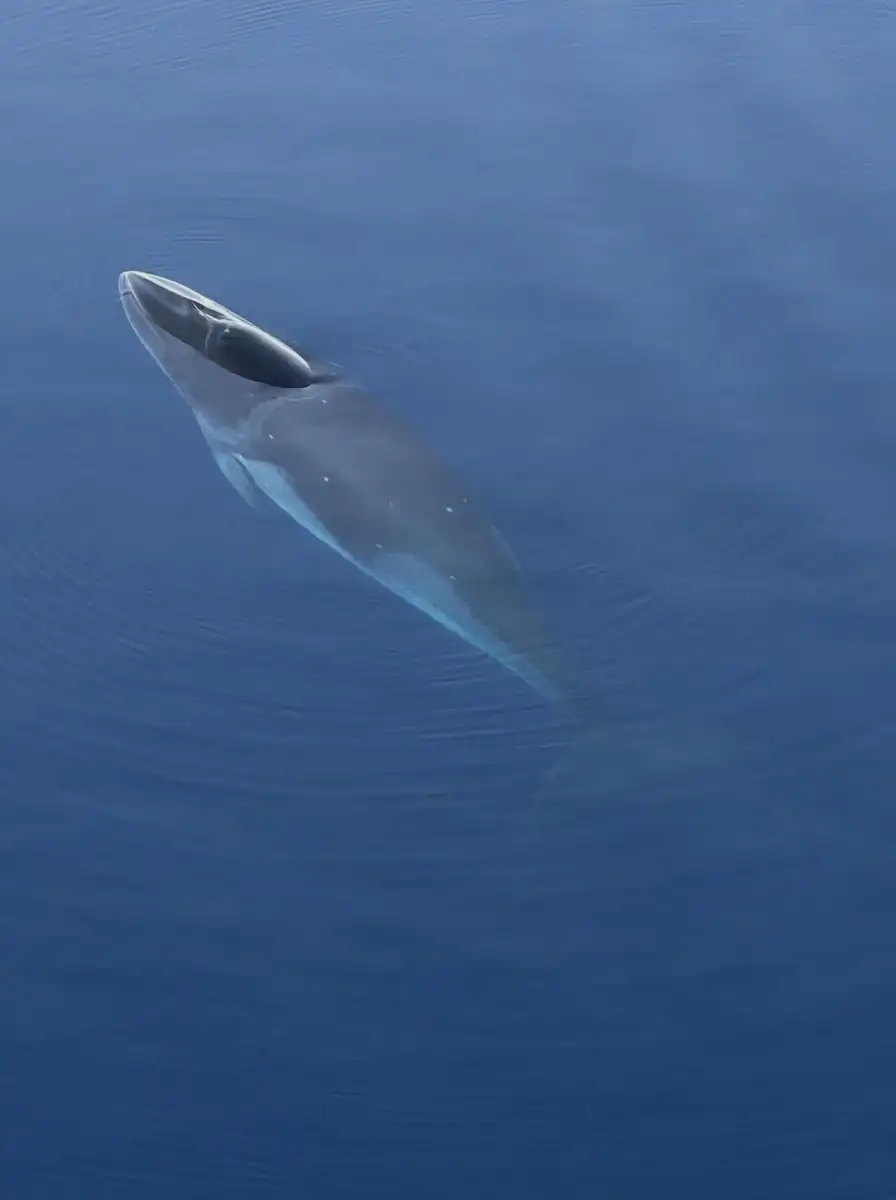
June and July are the time to get in – and don’t be fooled, these months fly by fast. Demand grows every single year, so it’s crucial that vessels don’t let numbers get out of hand to comply with those marine park permits.
The best way to book this trip is to book 6-9 months in advance.
Don’t fall into the trap of thinking last-minute availability will magically come your way – it won’t.
Please ensure the operator holds the required permits for Minke Whales. though.
Tour operators like Great Barrier Reef Tours can help with all the coordination, but the key to getting a spot is locking in early – these departures fill up in no time
Practical Preparation Tips
There’s no room to spare on these boats, so pack light.
Bring reef-safe sunscreen, a light jumper for those cooler winter evenings, some motion sickness meds, and a trusty water bottle. If you have a well-fitting mask you’ve got at home, that’s the one to bring – it’s all about a good fit, not the brand.
Don’t even think about checking in with your oversized suitcase – soft bags only, please
Final Thoughts: Earn It, Don’t Just Book It
This isn’t just a bucket-list tick to add to your ‘ things to do before I’m 40’ list – it’s a genuine ocean expedition into some pretty wild northern waters where conditions can change in the blink of an eye and the wildlife is just that – truly wild.
I’ve been on my fair share of desert treks and reef swims, but there’s nothing quite like drifting quietly as a 7 metre whale circles you – choose wisely and show some respect, you never know what’s waiting for you
Plan ahead, respect the marine life and choose a licensed operator – and if you need a helping hand, don’t be afraid to lean on a team with some experience, like Great Barrier Reef Tours – just keep in mind the commitment you’re making.
This isn’t built for day trippers – it’s for people willing to head north, be patient and let the ocean decide when the magic happens
FAQ
Can you do this as a one-day trip?
No. The whales hang out a long way off in the Ribbon Reefs, which means you need to be there for a multi-day liveaboard trip
Are these the same whales you see on those coastal migration routes you keep hearing about?
No, these are Dwarf Minke Whales who only come to the reefs off the coast of Queensland in winter
Are Blue Whales part of this experience?
No – Blue Whales aren’t involved in the reef action in Queensland.
How close do the whales get to you when out snorkelling?
They can get pretty close – often within a few metres of the snorkel line – but please remember it’s a big animal, so don’t even think about touching
Is this season guaranteed to happen?
Wildlife is never guaranteed to put in an appearance, but history suggests June and July are your best bet for spotting some action.