
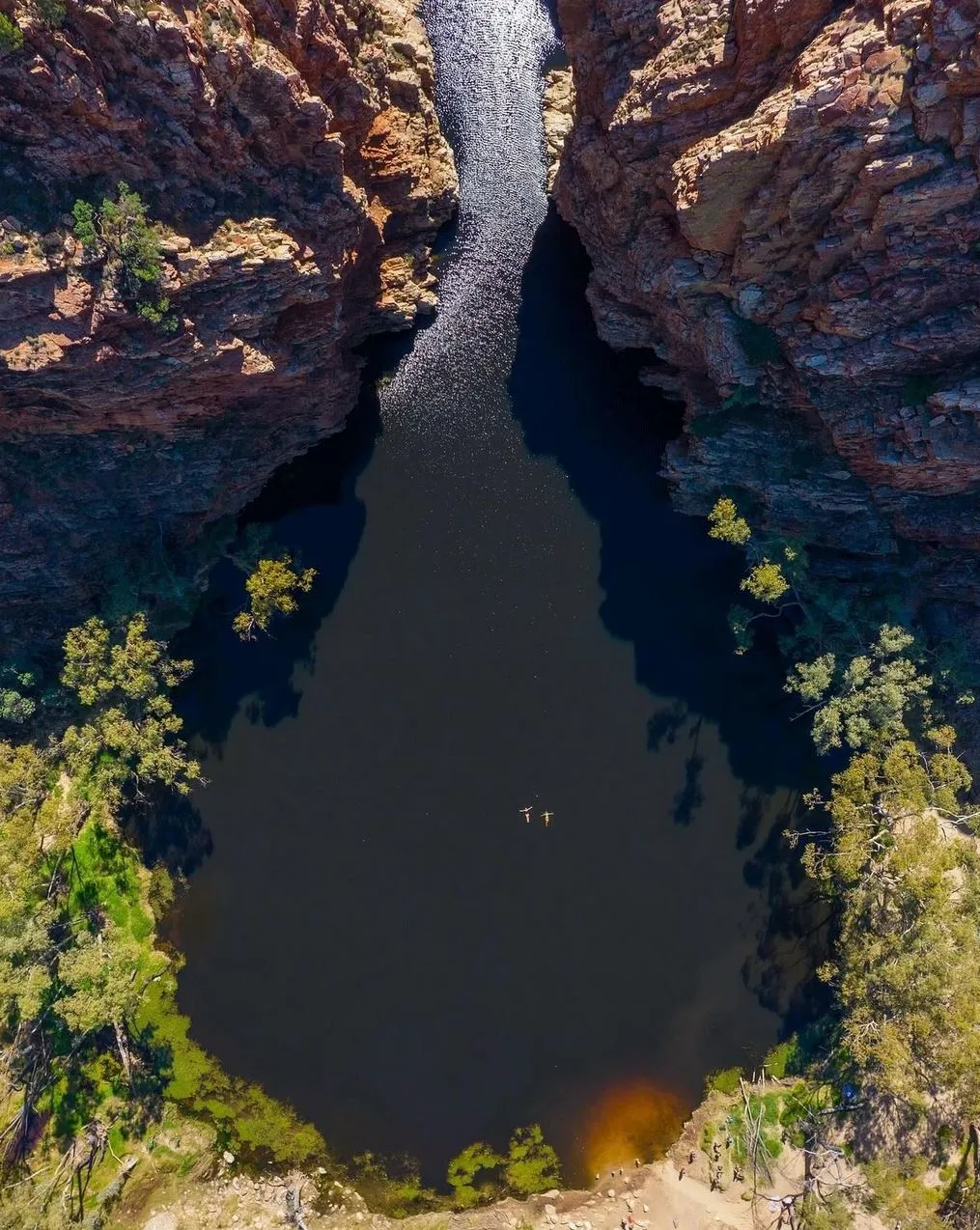
Scooping up a handful of red dust off the track as we start Where Can You Swim on the Larapinta Trail?, I’m reminded how rare a good dip is out here in Central Australia. When you’re walking from the Alice Springs Telegraph Station through the West MacDonnell Ranges, the promise of cold water keeps you moving — especially across those long, rocky kilometres past Jay Creek, Fringe Lily Camp, Razorback Ridge, and the climbs toward Hugh Gorge and Euro Ridge.
Let’s walk through the best swimming spots, the seasonal traps, NT Parks rules, cultural guidance from Arrernte people, and the simple fact every hiker eventually learns: a good dip can salvage even the roughest day.
The Big Four Swimming Spots for Hikers
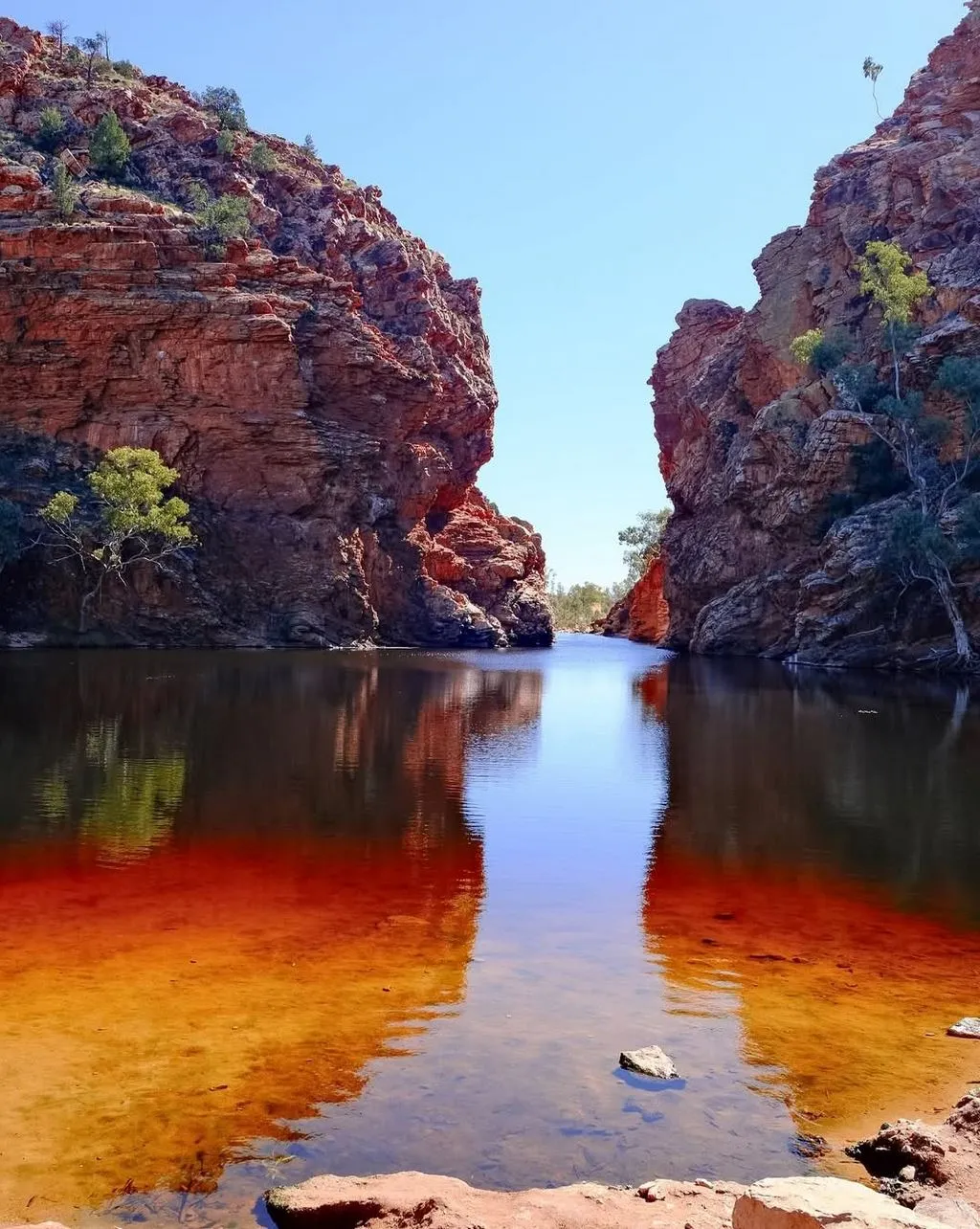
If you’re expecting a swim in every section, you’ll be disappointed. But when the trail does offer a proper basin — one fed by the Finke River system or tucked beneath ancient quartzite walls — it’s magic. These are the places where you can safely swim, cool off, rinse the red dust from your face, and enjoy a rare moment of stillness in the Red Centre.
Most of these waterholes sit in deep, shaded gorges throughout West MacDonnell National Park, protected from the brutal evaporation that wipes out smaller pools around Ellery Creek South, Rocky Gully, and Spencer Gorge.
Let’s start with the reliable ones.
Ellery Creek Big Hole: The Coldest Wake-Up You’ll Love (Eventually)
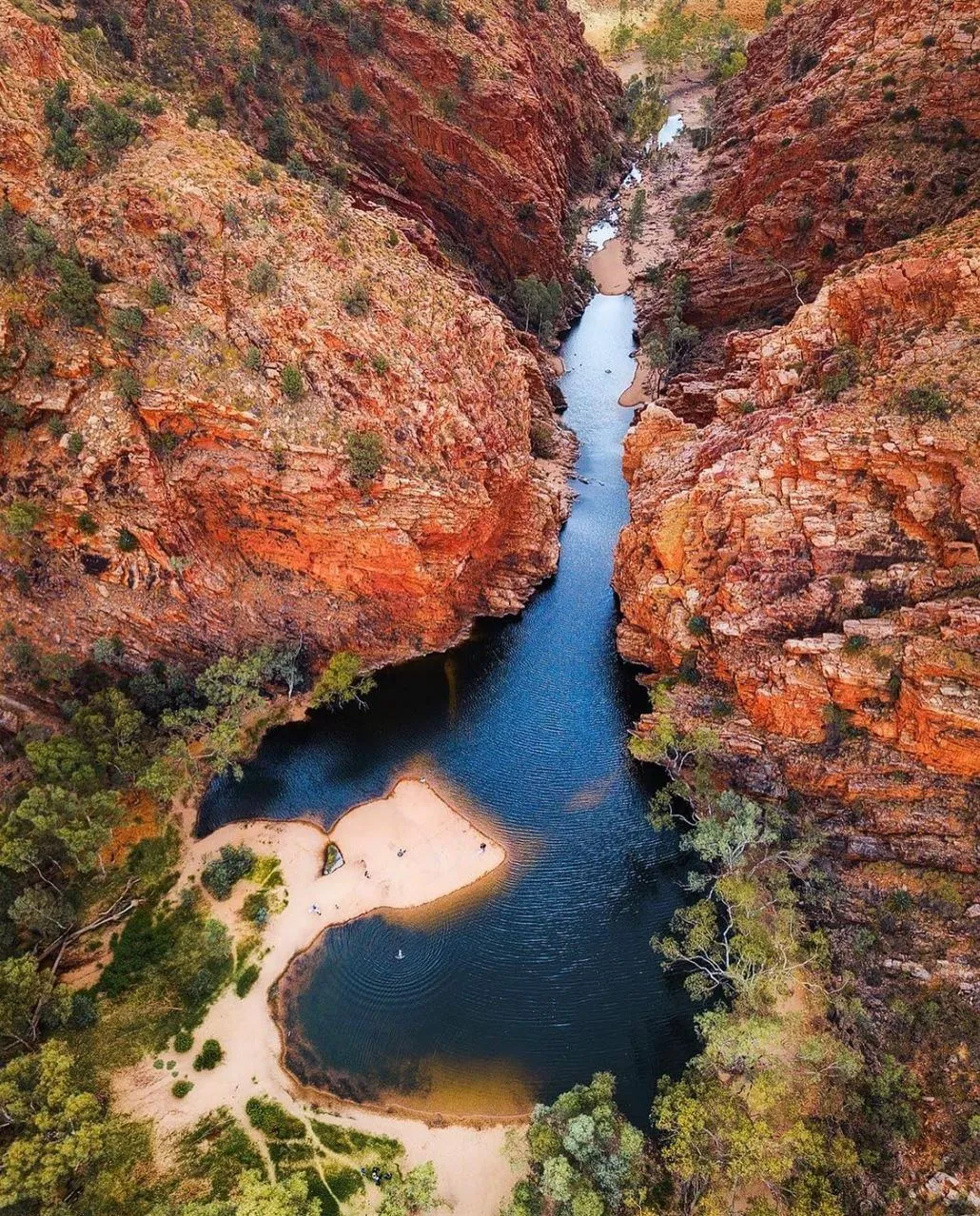
Ellery Creek Big Hole is one of the trail’s most consistent swimming spots, thanks to the massive geological basin that traps water year-round. Whether you’re hiking in from Wallaby Gap or pushing on toward Ellery Creek North, this is where most trekkers throw the pack down and walk straight in.
You’ll find:
- Deep, permanent water
- A wide beach to air out boots
- Easy access to water tanks at the trailhead
- No crocs — this is safe, croc-free Central Australia
It’s cold. Really cold. The kind of cold that makes your whole body reconsider its life choices. But after riverbed walking, rocky terrain, and those deceptive little climbs around Rocky Saddle, it feels incredible.
Ormiston Gorge: Your Oasis in the Desert Wilderness
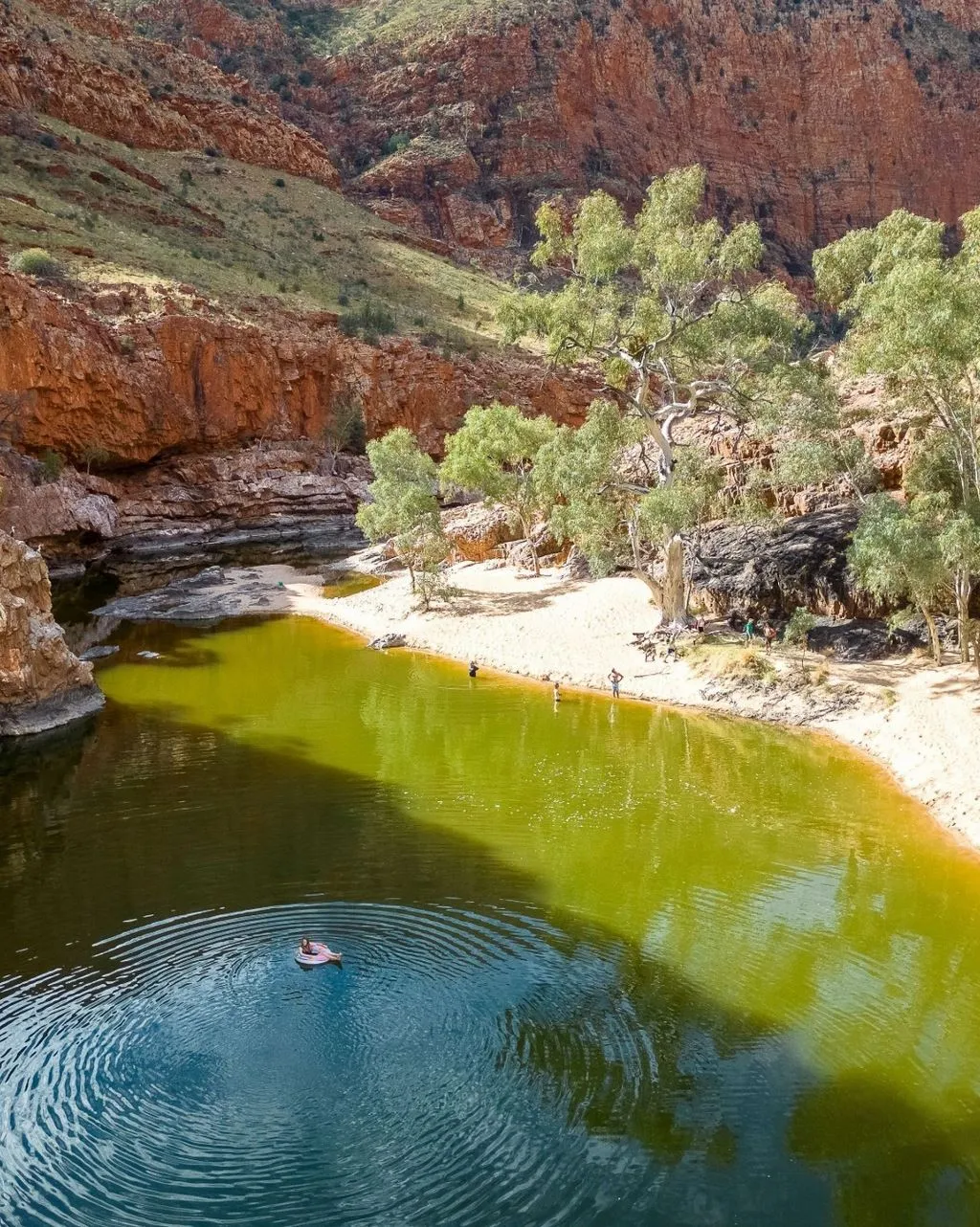
Ormiston Gorge is my absolute go-to – a gorgeous long pool of water all snuggled up in towering walls of quartzite, its deep waters just begging you to take the plunge. Even when the rest of the desert is parched and dry, you can almost count on being able to have a real swim here.
- Must see
- You’ll get a bit of shade throughout most of the day
- Ellery Creek is usually shallower than this one
- It’s the perfect place to stop before or after tackling Mount Sonder (aka Mt Sonder)
Ormiston, this place is in Arrernte Country, so you’ve got to be respectful of the culture and history here – do stay within the designated swimming areas & keep the quiet upper pools just as you find them.
And yes – if you’re here for some astro photography, then the gorge walls do make for a pretty great subject under the moonlight – just be sensible and don’t try to swim after dark without a buddy watching out for you.
Glen Helen Gorge: Your Finke River Retreat
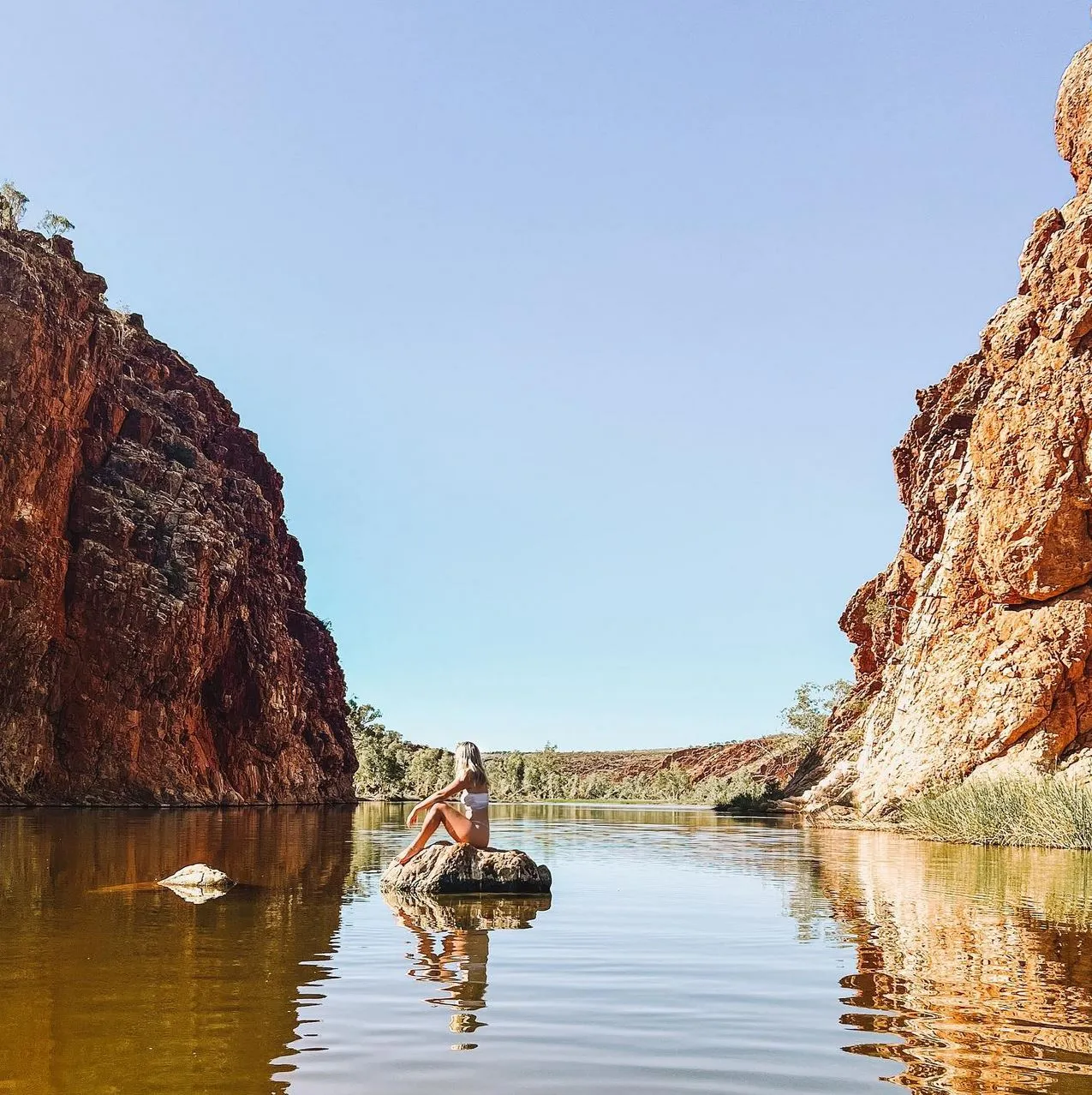
Now the Finke River does a neat job of squeezing through Glen Helen Gorge to create another reliable spot for a cooling swim – icy waters that are perfect after a long, hot slog from Serpentine Gorge or the Ochre Pits. Despite the old Glen Helen Lodge being abandoned, you can still get to the waterhole.
You’ll probably like it because
- You can stash your pack and still swim safely
- The water stays cold year-round
- It’s a great morale boost before you tackle Redbank Gorge
- Keep an eye out for wedge-tailed eagles circling overhead – they love this part of the West Macs
Every time I bring a tour group through here, someone will inevitably try to stay in the water just a bit longer, “just one more minute” – right up until the chill starts biting
A Quick Guide to Waterhole Reliability
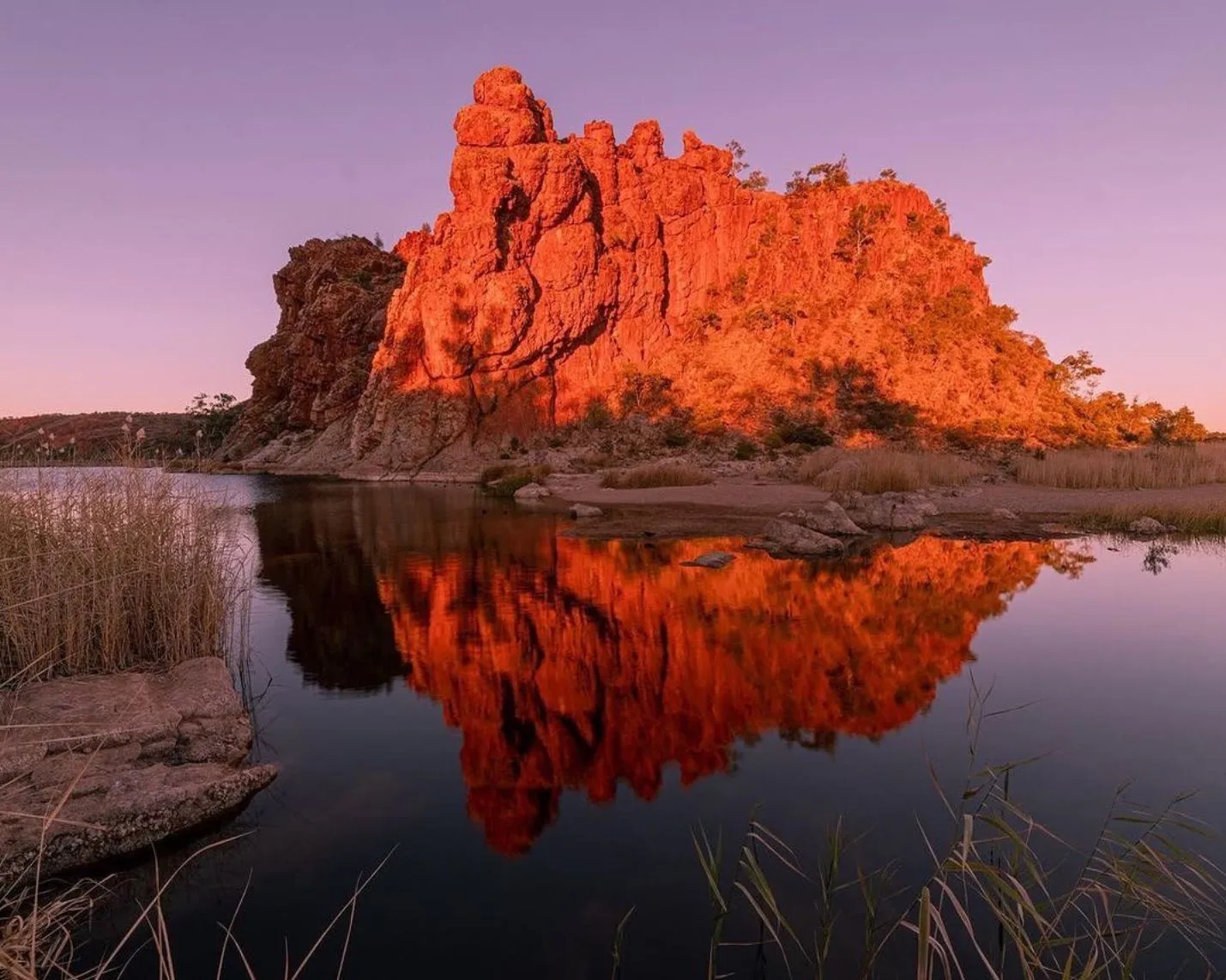
Here’s a simple snapshot to help you manage expectations — especially if your Far Out App says a waterhole “might be full,” but the Outback has other plans.
| Waterhole | Reliability (Annual %) | Notes |
|---|---|---|
| Ellery Creek Big Hole | 90–100% | Permanent, cold, large basin |
| Ormiston Gorge | 90–100% | Deep, shaded, reliable |
| Glen Helen Gorge | 70–90% | Finke-fed can shrink in severe dry conditions |
| Redbank Gorge | 80–100% | Freezing slot canyon, usually full |
| Serpentine Gorge | 40–60% | Swimmable only after good rains |
| Birthday Waterhole | 10–30% | Rarely deep enough for swimming |
| Fringe Lily Waterhole | Highly seasonal | Occasional knee-deep pools, not a reliable swim |
| Hugh Gorge Waterhole | Intermittent | Can be deep early in season; dries quickly |
These figures reflect NT Parks’ field observations and the long-term trends they’ve seen across the West MacDonnell Ranges.
Spots You Should Not Swim: Cultural & Safety No-Go Zones
There are some waterholes you should absolutely avoid swimming in – either because they’re not safe or because they have cultural significance. Just always follow the guidance from the Arrernte people and keep an eye out for the NT Parks signage.
Standley Chasm (Angkerle Atwatye)
It’s a sacred women’s site – a place of great importance to the local community.
No swimming allowed.
The towering walls are still a sight to behold – especially midday when the sun’s really high in the sky.
Hugh Gorge
The pools in Hugh Gorge are only around sometimes, but the gorge itself is a flash flood waiting to happen.
Water quality can be pretty dodgy – not recommended for swimming because of that.
Spencer Gorge & Inarlanga Pass
These are sensitive sites – the water only trickles in at certain times of year, and the whole place is not safe or culturally appropriate for swimming.
We all know that respecting the people who live in the Country and have cared for this land for thousands of years is the right thing to do. If you get lucky and get to hear some of those stories from people who know best, then listen up.
Seasonal Realities: The Desert Doesn’t Run on Your Schedule
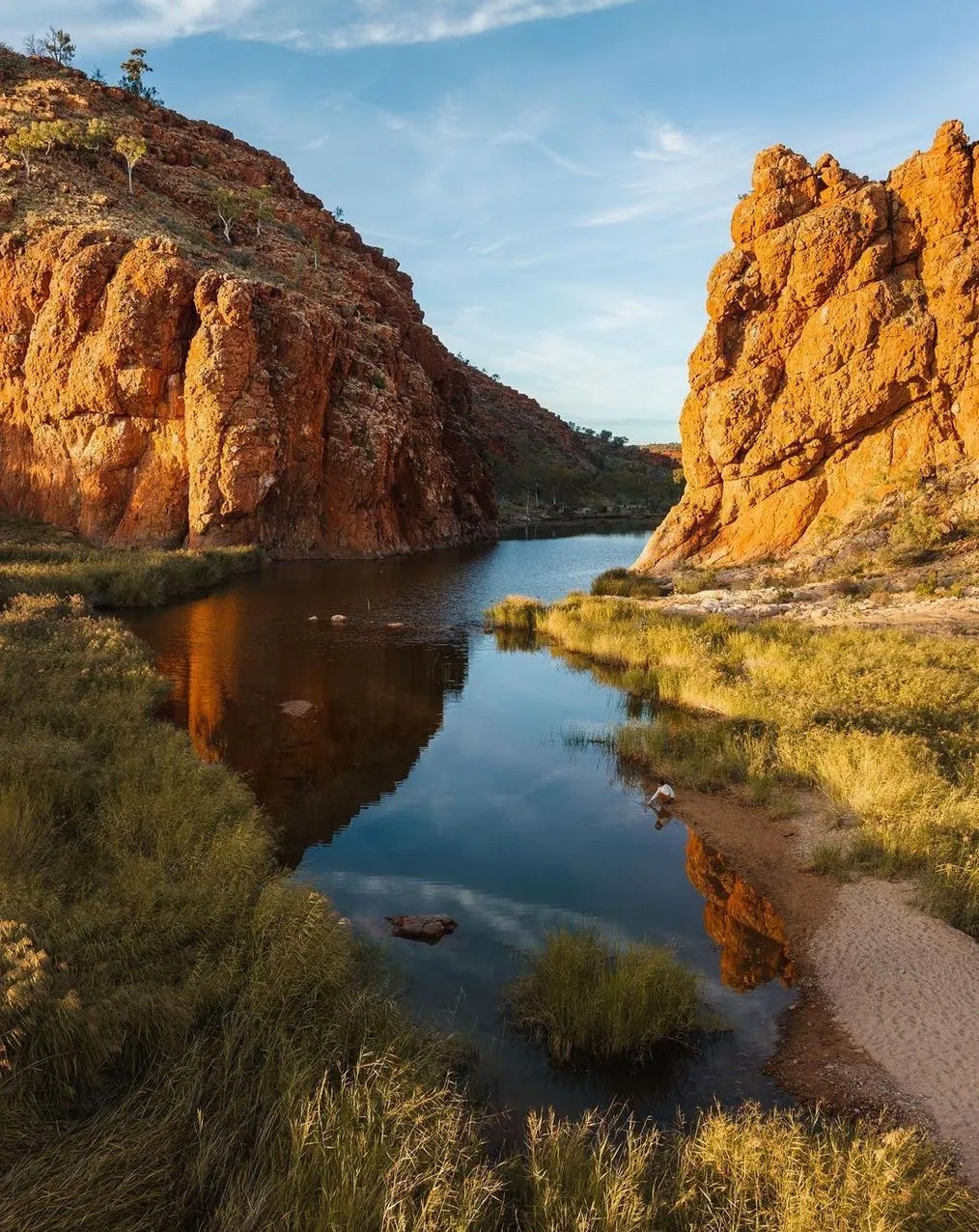
When it comes to swimming on the Larapinta Trail, the desert’s got a mind of its own – and it’s all about the season, rainfall and the temperature – the Northern Territory isn’t afraid of extremes.
Dry Season (May–August)
- Ice-cold waterholes – and you’ll get frosty nights too – protect your sleeping bag from water that condenses overnight
- Warn yourself – the UV are pretty intense during the day
Shoulder Season (April & September)
- The weather’s not too bad – warm air and cold water pools – but be careful of dehydration if you’re walking for long.
- Be aware of the dangers, though – dehydration‘s a big risk on long exposed sections.
Hot Season (October–March)
- Don’t even think about walking – that’s when heatstroke can really start to kick in.
- The risk of flash floods rises – and trails near Hugh Gorge Junction and Serpentine can be closed – don’t ignore warnings from NT Tourism or NT Parks – they’ll be able to let you know about closures, but the conditions can change fast.
- If you don’t take the warnings seriously and the booking system says that trails are closed, then both NT Tourism and NT Parks are going to make sure you know about it – they’ll switch pretty fast.
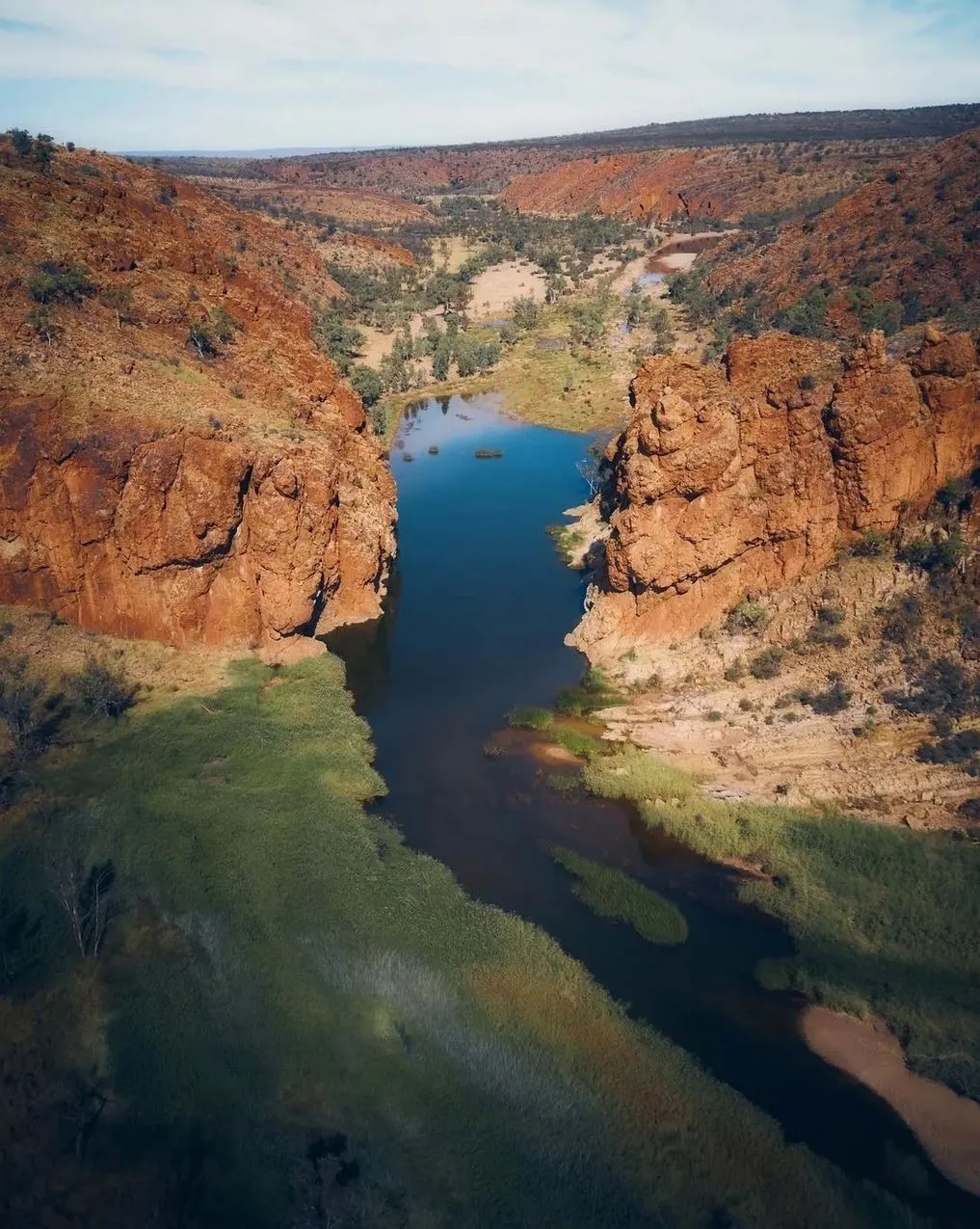
Don’t forget that the water in the swimming holes is not safe to drink – you’ll be relying on tanks at campsites and trailheads.
Must-Have Safety Gear
- a GPS device (Garmin InReach, Far Out App or something similar
- knowing how to navigate – especially if you’re heading into sections with low visibility
- don’t be a hero – it’s best to stick with a buddy when you’re in tricky terrain
- a first aid kit – it’s a must-have
- a solar charger if you’ve got a long itinerary – you never know when you might need to keep your phone or camera charged
- a map of the West MacDonnell National Park
- trail markers can be useful, but don’t rely on them too much
Food drops are always a good idea – but never assume that you’ll be able to refill your water bottle at the next swimming hole – that’s just being reckless – always plan ahead.
Quick Checklist for Swimming on the Larapinta
- Never swim alone in deep gorges
- Test water depth with a pole or stick
- Keep boots and pack away from the shoreline
- Respect Arrernte cultural guidance
- Watch for slippery riverbed walking stones
- Avoid swimming after dark
- Don’t use soap — keep waterholes clean
- Keep your PLB accessible
- Dry off before the wind chills you
FAQ
Are there crocodiles along the Larapinta Trail?
No. The West MacDonnell Ranges are well outside croc country.
Is every gorge swimmable?
No — only Ellery Creek Big Hole, Ormiston Gorge, Glen Helen Gorge, and Redbank Gorge are reliably deep.
Can I rely on waterholes to refill bottles?
No. Use water tanks and NT Parks updates.
Does the trail ever close due to flooding?
Yes. Sections near Hugh Gorge and Serpentine Gorge close after heavy rain.
What’s the coldest swim on the trail?
Redbank Gorge — it’s icy even in hot months.