
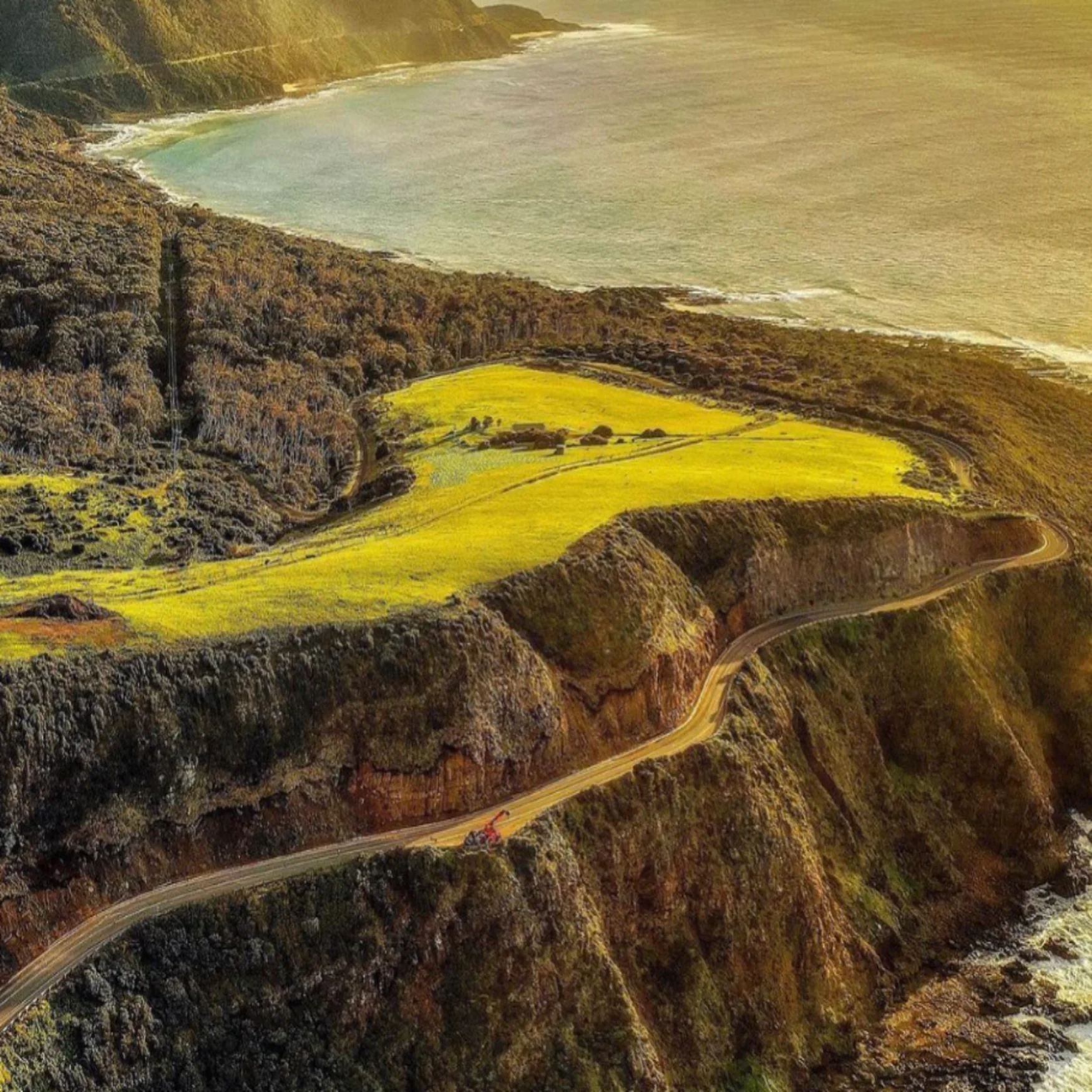
Torquay, Bells Beach and Anglesea
Torquay is a coastal town 95 km southwest of Melbourne, the official start of the Great Ocean Road. The famous surfing beach, Bells Beach – is a mecca for surfers worldwide. Since 1961, Bells Beach has hosted the prestigious Rip Curl Pro surfing competition every year.
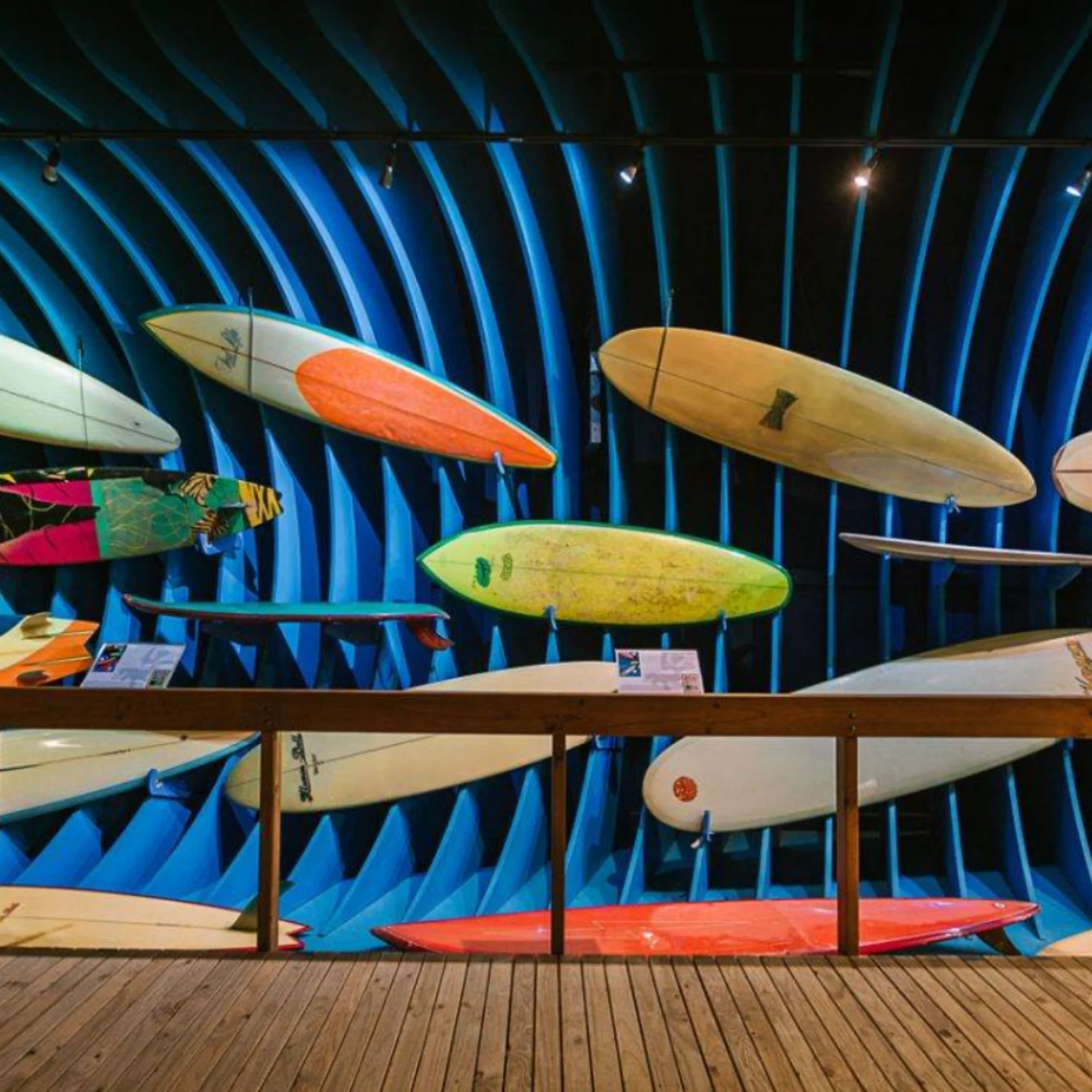
Torquay is all about the surfer subculture. There’s even the Australian National Surfing Museum (77 Beach Road, Torquay, Victoria). By the way, summer is coming soon in Australia – a great time to get up close and personal with the ocean.
Time is short, so we are not going to Bells Beach. Our route along the ocean begins in the town of Anglesea. We stopped at the Anglesea Visitor Information Centre, picked up maps (needed and unnecessary), drank coffee, and I managed to buy souvenirs right away (although I planned to do without them altogether).
Memorial Arch
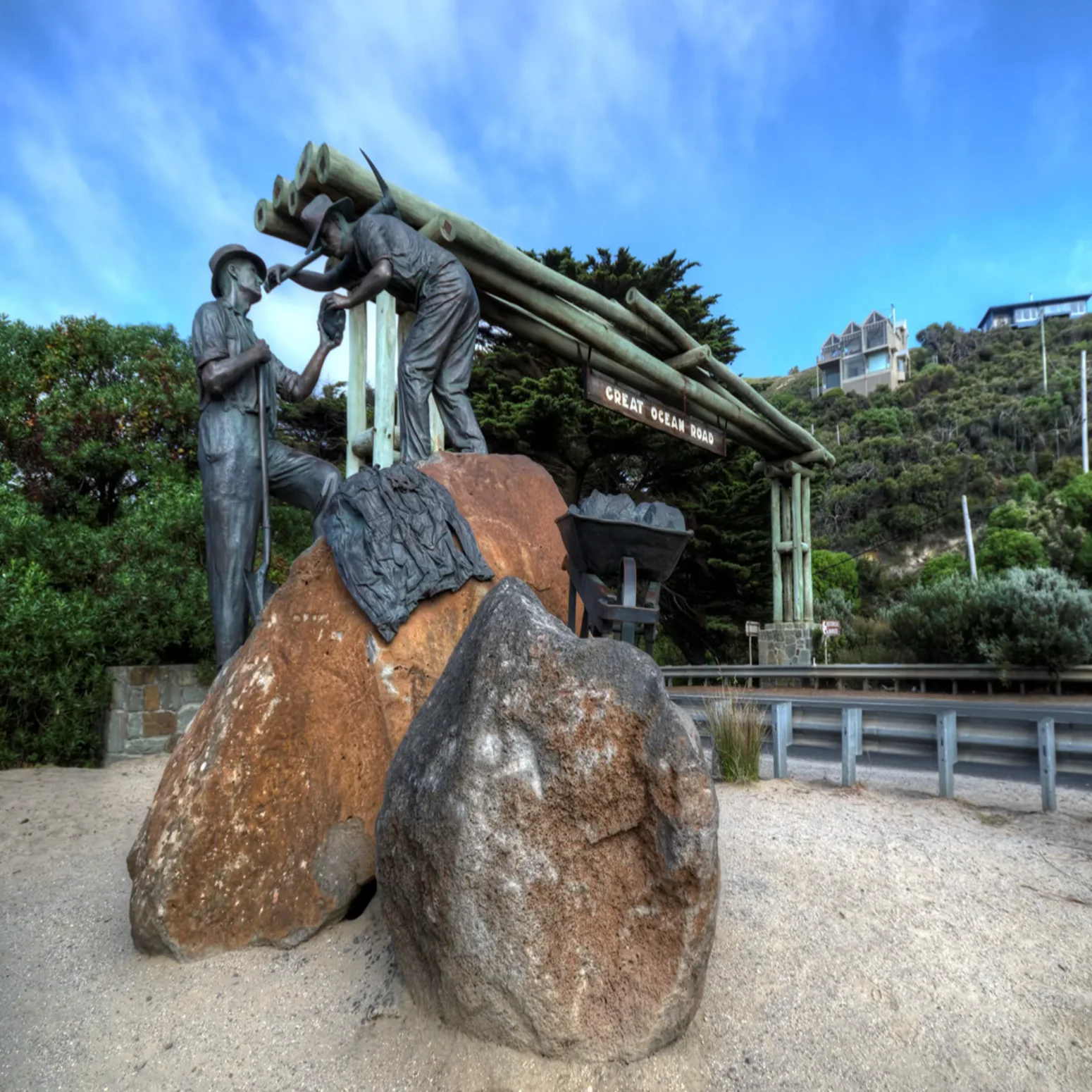
Memorial Arch is a memorial to the victims of the First World War. Next to the wooden arch, there is a monument to the road builders. In 1919, three thousand Australian soldiers had recently returned from the war. The arch bears the inscription Great Ocean Road. A century ago, the route was called the South Coast Road. It connected remote coastal settlements, between which there was only water communication.
Various sources tell a story about how, in 1924, the steamship Casino landed on the reefs not far from the construction site. It had a very interesting cargo: 500 barrels of beer and 120 barrels of drinking alcohol. The workers “saved” the goods, so work stopped for two weeks.
Be sure to stop here, too. Walk down to the beach, look at the vast ocean, and try to believe that you are fucking here and driving along one of the most beautiful roads in the world.
Lorne
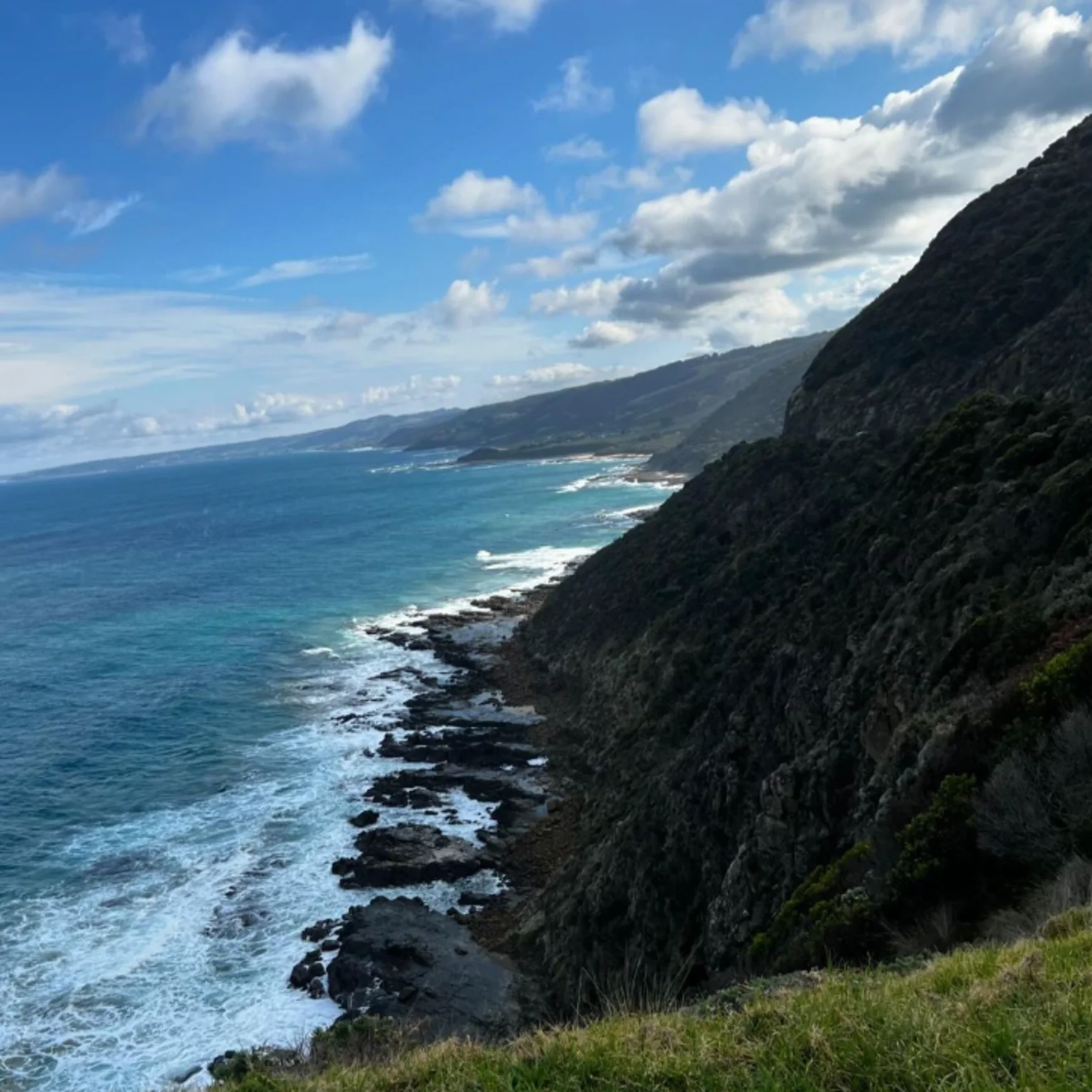
Lorne is a seaside resort two hours from Melbourne. The beautiful Art Deco architecture, good restaurants, coastal walking trails, and surrounding wildlife attract Australians themselves. In general, domestic tourism is very developed in Australia. Therefore, you meet many locals from different parts of the country in any tourist location.
Of course, like along the coast, there are surfing beaches and shops. In one of them, I bought the Mexican hoodie of my dreams. I was surprised to ask my Australian friends where Mexican clothing comes from. It turns out that this is one of the unspoken elements of the surfer “uniform.”. I put on a hoodie and plan to imagine myself as a hippie from the 70s for the rest of the trip.
In Lorne, we stop for lunch. We take fish and chips and a couple of bottles of local beer. This is generally a must-try in Australia – eat fish & chips and try beer or wine from local producers. I read on the label of one of the bottles: The Ocean is our backyard. It`s our playground and our refuge. We live our lives by the tides and wind and swell. We are the lucky ones. Which means something like this: “The ocean is our backyard. This is our playground and our sanctuary. We live our lives under the influence of waves, wind and tides. We are the lucky ones.” I do not doubt that this is true.
Great Otway National Park and Erskine Falls
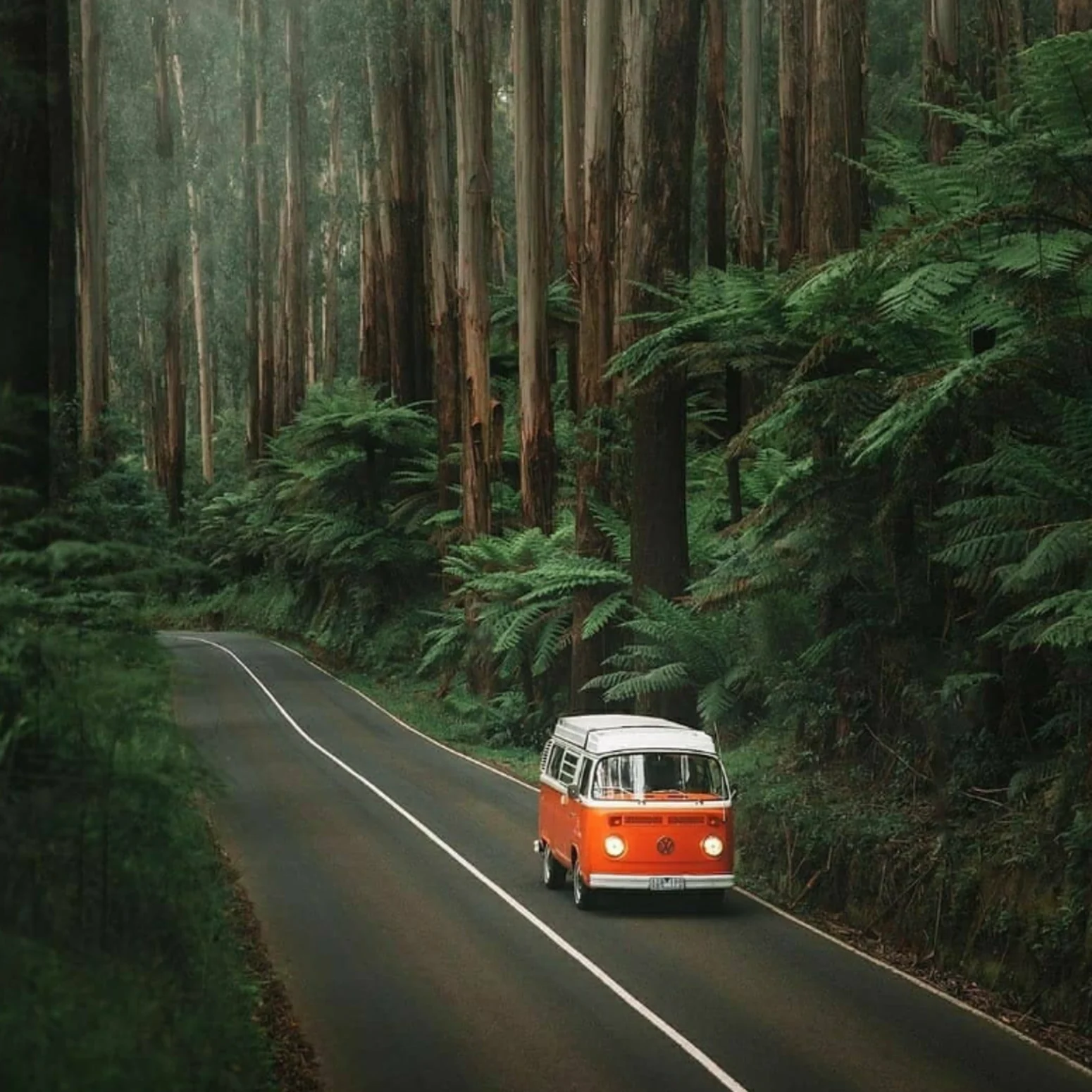
There are many amazing natural wonders around Lorne – fern forests, waterfalls, and natural viewpoints in the mountains. We make a short loop from the coast inland to see Erskine Falls in Great Otway National Park.
In this place, it’s as if you find yourself in a different climatic zone among giant tree ferns and hundred-metre-high eucalyptus trees. This is a rainforest, or tropical forest. I strongly feel that a dinosaur will crawl out of the neighbouring bushes. But only tourists come out.
Bring your raincoat because the rainforest lives up to its name. And remember that the weather near the ocean changes dramatically.
Teddy’s Lookout
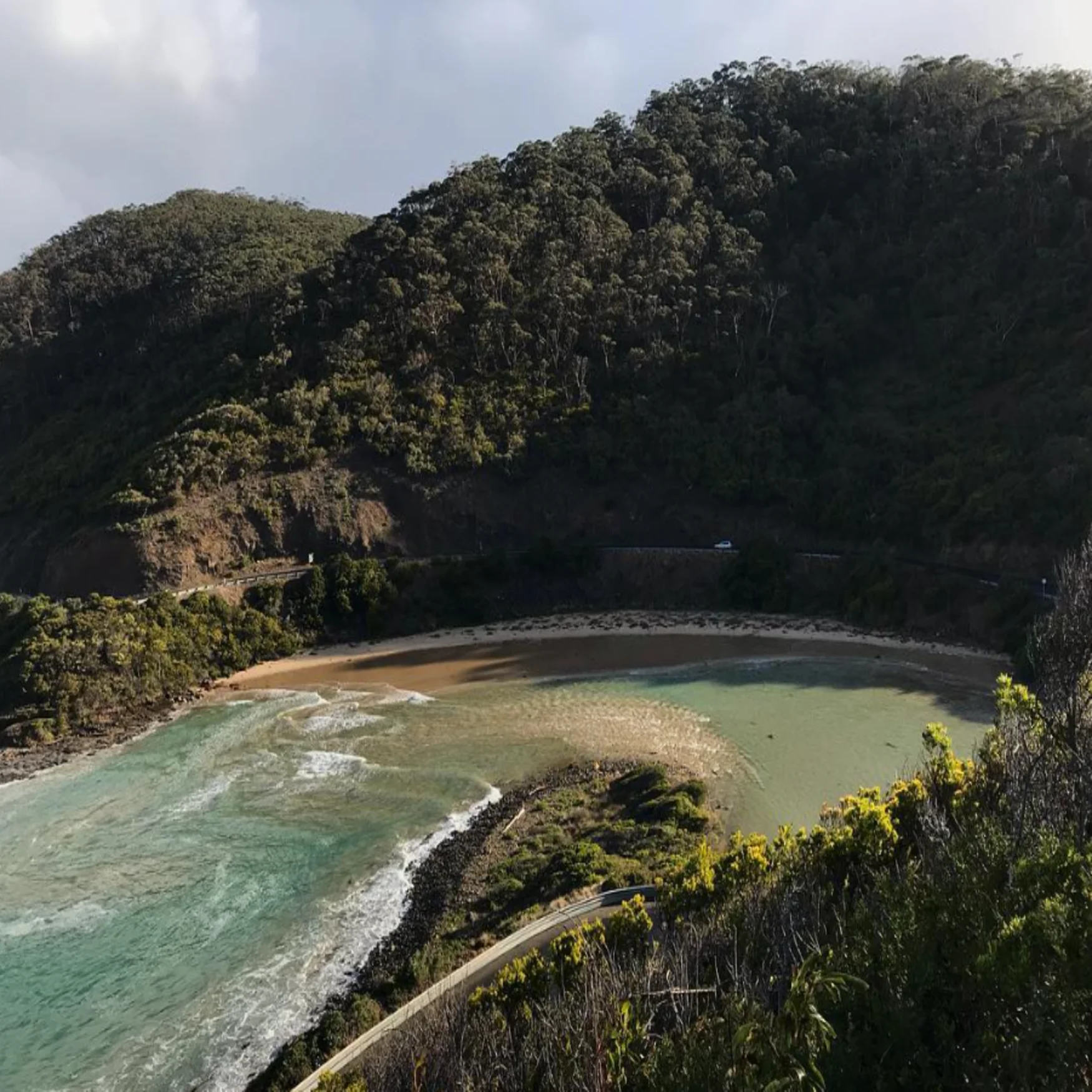
The view from this observation deck is stunningly beautiful. They say that about all the stunning views, but here is something special. On one side is the ocean; on the other, there is the Australian bush on the mountains’ slopes; below, the St. George River flows into the sea in a beautiful bend.
We return to Lorne and the Great Ocean Road from Teddy’s Lookout. If you have more than two days, you can stay overnight in Lorne. There are many campsites around to pitch a tent. But now it’s only the beginning of four, and we are moving on. The plan is to have time to see the koalas before sunset. It gets dark early because it’s July, which is winter in Australia.
Kennett River Koala Walk
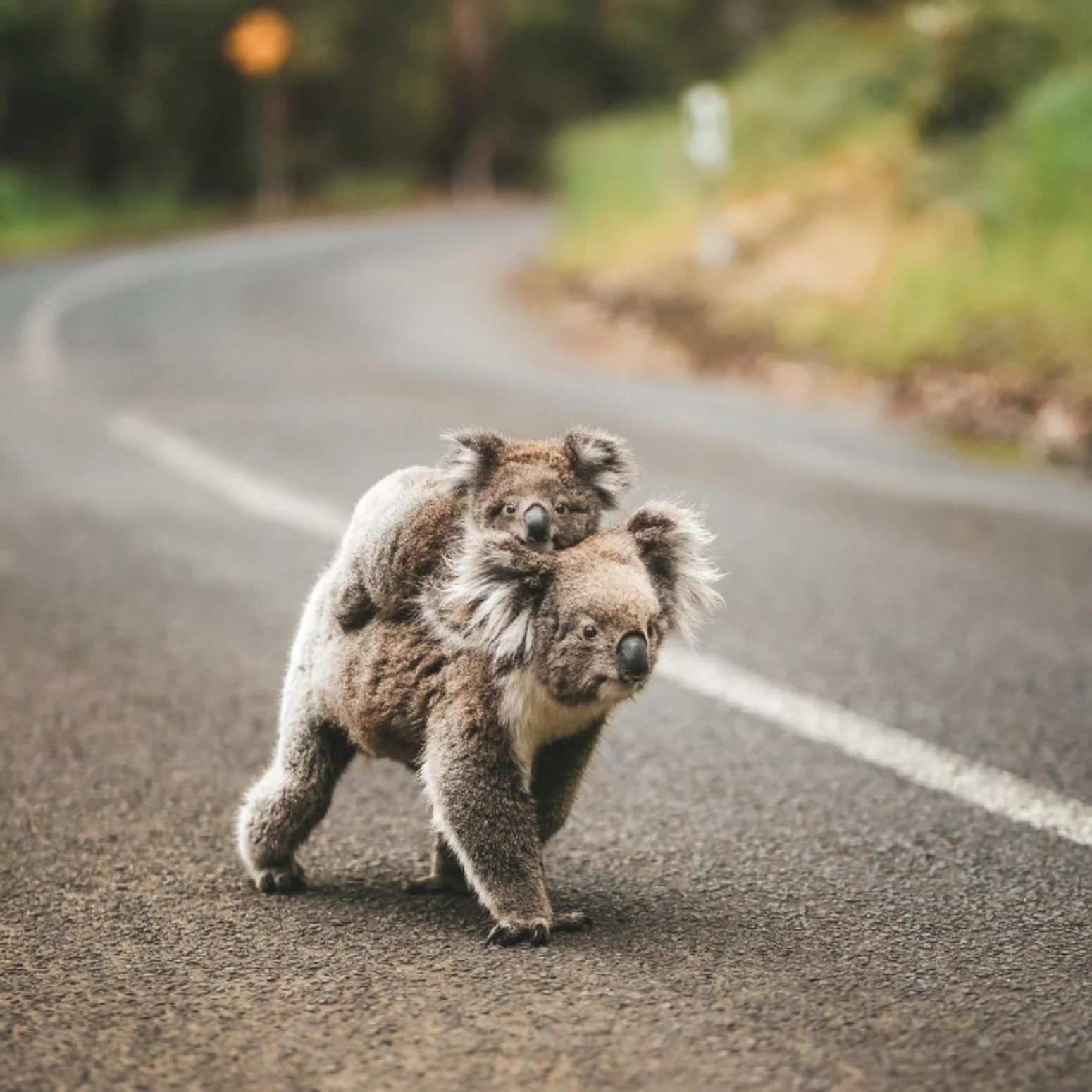
We go to the Kennett River Koala Walk to look for koalas. This track is considered one of the best for observing them in the wild. We drive to Kafe Koala, leave the car, arm ourselves with coffee and cameras, and go in search.
About a hundred metres from the cafe, there are residential buildings. A herd of kangaroos grazes nearby. We stop and look at them; they stop and look at us. After a few minutes, their interest disappears, and they return to business. We have no choice but to return to our path. Kangaroos are wild and do not allow you to approach them. But the parrots walk around with a bold look and demand to be fed. They are not afraid of cars or people, and you have to push them with your feet to get through.
We follow a path along a row of eucalyptus trees and look for koalas in the canopy. They are terrible introverts, and you can’t get close to them. We’re starting a competition to see who can see the most animals. I need to catch up because I spend ten minutes looking at each koala I find. Sunset is a good time for observation. These plush creatures sleep up to 19 hours daily but become active before sunset to feed.
On the way back, we come across a koala that has fallen from a tree and is lying in the grass. This happens sometimes; koalas in Australia often suffer from chlamydia. If the animal is not helped, it will die. The guys who arrived a little earlier had already called Kafe Koala, and they called the rangers. You cannot pick up a koala without special training; it can become frightened and harm itself and humans with its long claws. As we return to the parking lot, a rescue vehicle drives by.
Apollo Bay
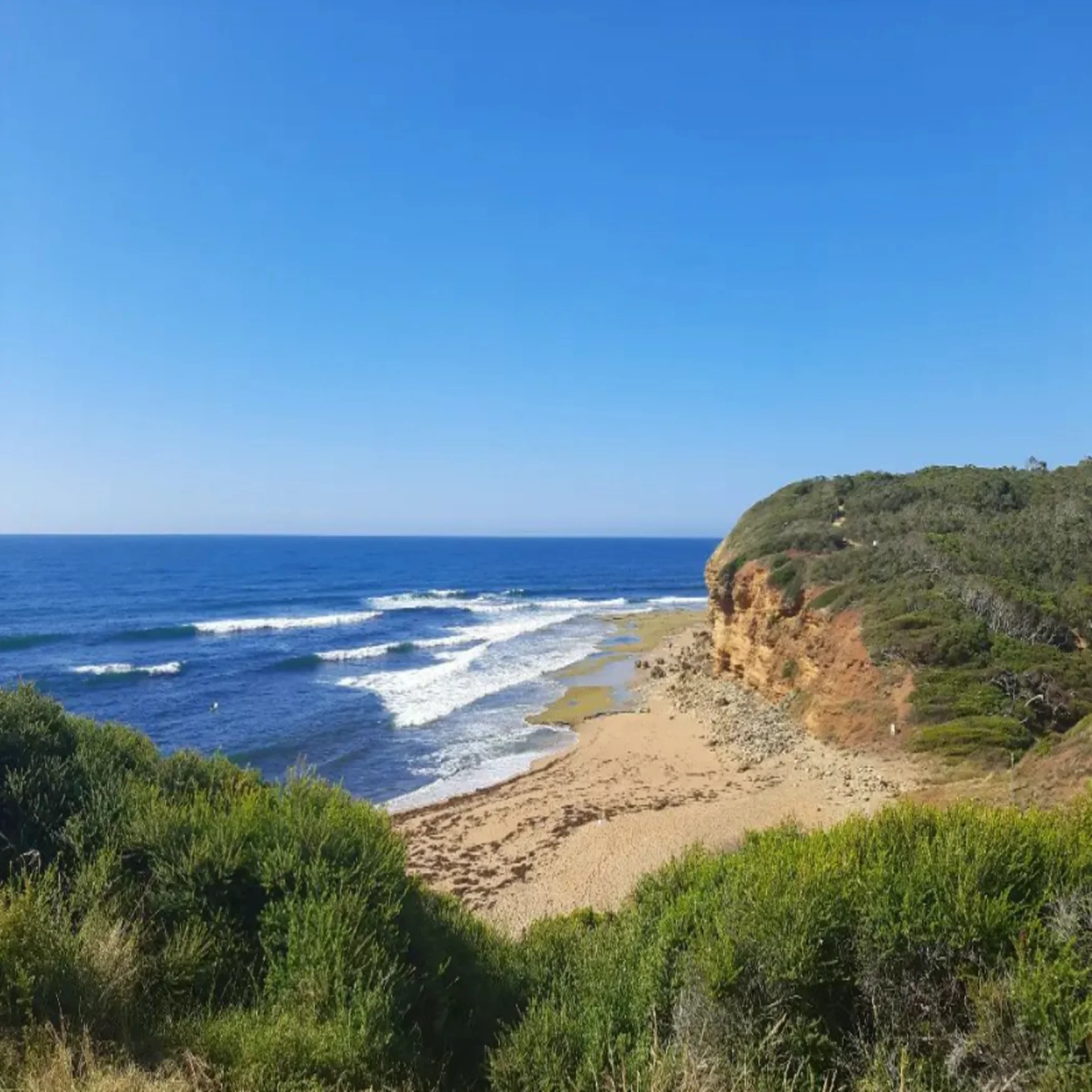
It is entirely dark by seven in the evening, and we arrive at Apollo Bay in the dark. Apollo Bay, like Lorne, is an excellent place to stay overnight. We made reservations at the Best Western Apollo Bay Motel & Apartments, five minutes from the ocean and places to eat.
The city has a tourist information centre. Australia has such a centre, even in the smallest town of ten houses. And, of course, surf shops, restaurants, and pubs again. These last ones are exactly what we need now. But in the evening, all the establishments along the coast are crowded with people. We eventually find the massive Great Ocean Road Brewhouse pub (29/35 Great Ocean Road, Apollo Bay, Victoria) and are relieved to be immersed in its noise and cozy warmth.
Pubs in Australia are often called hotels. And in some, you can stay. You must order at the counter and pay immediately. The portions are impressive. Every locality, even the smallest one, has its pub. We order food and have time to drink a glass of beer at the bar and then head to the ocean. There’s a storm there.
The sun is shining in the morning, and people have been sitting in cafes since eight or strolling along the beach. We wander along the coast searching for coffee and find Apollo Bay Bakery (125 Great Ocean Road, Apollo Bay, Victoria), which makes an Australian scallop pie. My Aussies are delighted – a rare filling for such a famous pie. I don’t know what they’re discussing yet, but I take their word for it. An Australian pie is a small pastry basket with a filling (usually meat). There is little dough but a lot of filling. Very Australian. The scallops turn out to be excellent.
Californian Redwoods
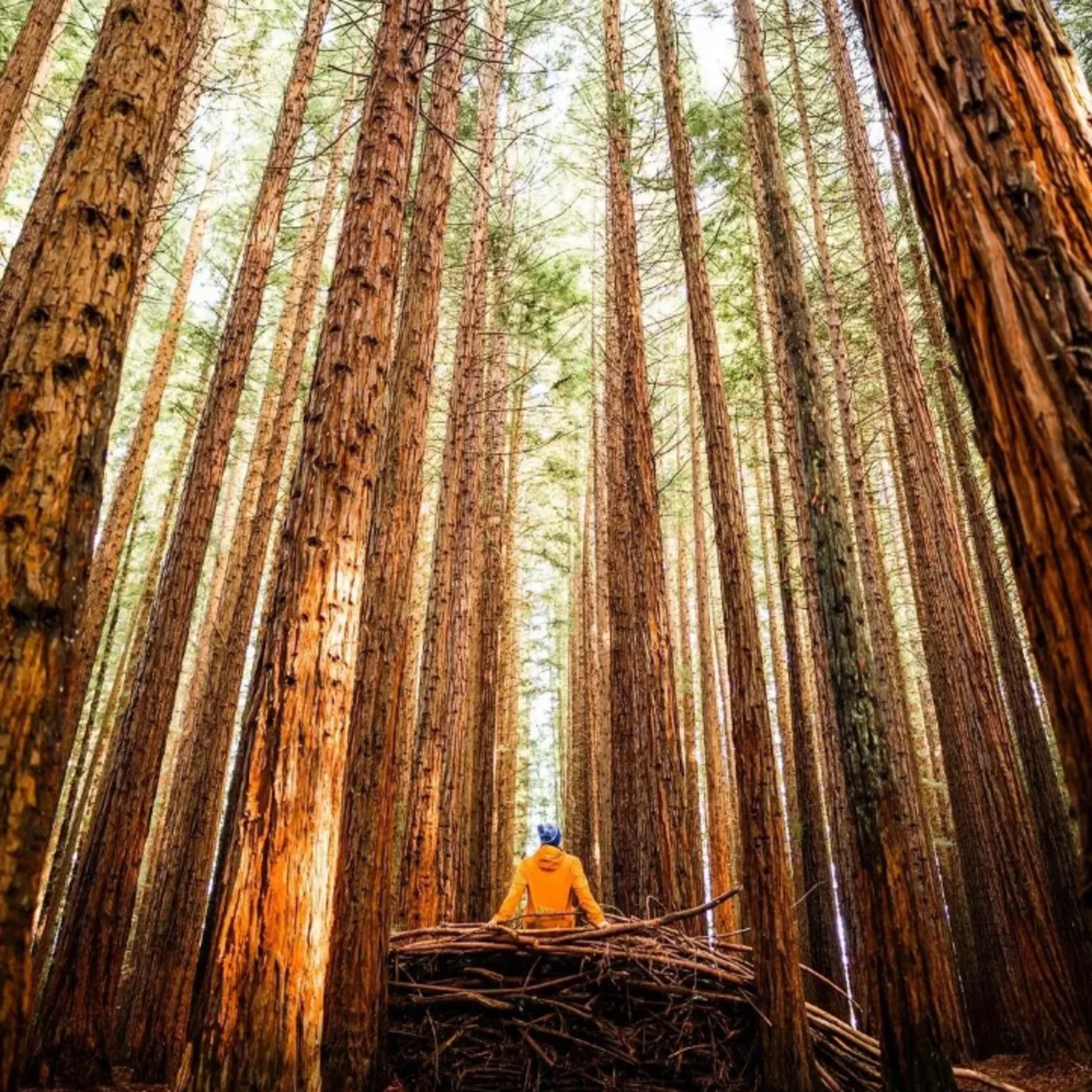
California is home to giant red sequoias (Sequoia sempervirens), one of the oldest living organisms on Earth. Californian redwood forests are very tall—up to 115 meters—and have bright red-brown bark. The uncoloured homeland is considered to be California in the USA, hence the name.
It’s incredible how quickly the weather changes in Australia. The sun shone on sunny Bay this morning before clouds rolled in and a light rain fell. It rains constantly in the Red Forest. We wander among giant trees with red bark. There are thickets of ferns below here and there, and dinosaurs come to mind again. But in fact, Australian Californian Redwoods are pretty young. The tree was brought here in the 1930s as an experiment. The soil and climate have proven favourable, and the forest has increased over the past 90 years.
Twelve Apostles
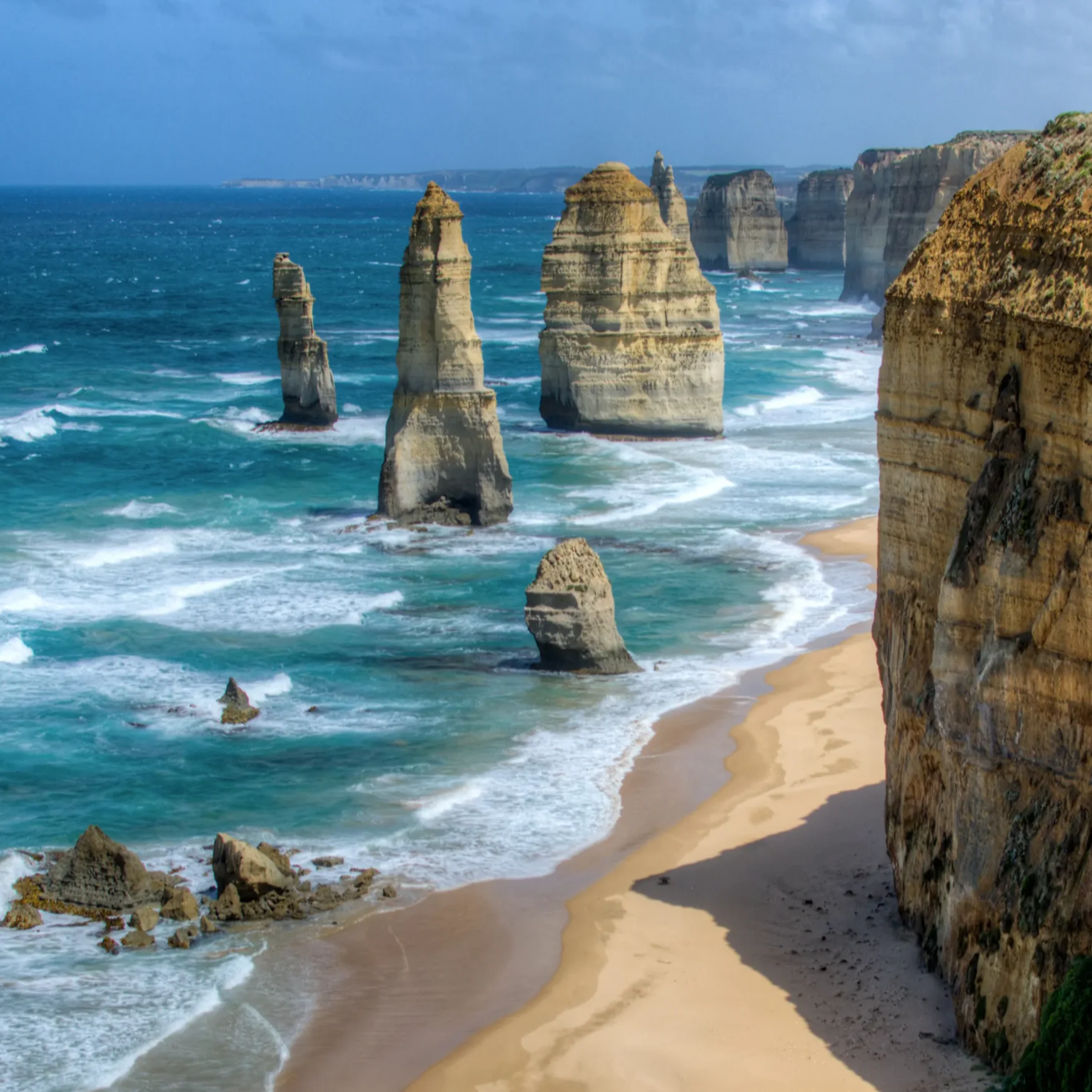
The Twelve Apostles are a group of limestone rocks in the ocean in Port Campbell National Park. They are the result of millions of years of erosion and a place of pilgrimage for all tourists who travel along the Great Ocean Road. More than a million people come here yearly, and photos of the Twelve Apostles are the hallmark of the Great Ocean Road.
Today, however, there are only eight of them left. Massive limestone pillars rise above the Southern Ocean and surprise with their size and beauty. Observation and walking paths are open 365 days a year. There are fewer people in winter than in summer, and we hardly walk in crowds. The sun appears occasionally, but the wind is such that we are almost blown into the ocean. It’s wild and terrific all around.
From here you can also drive to the London Arch. But we don’t have time – we want to get to the volcanic lakes before darkness. London Arch was formerly called London Bridge. But then, one span of rock that could be walked from the shore collapsed. All that remains is a stone arch in the ocean. Two tourists were stuck on the far side of London Bridge when it collapsed. They were rescued by helicopter.
Port Campbell, Lake Colac and Red Rock Reserve
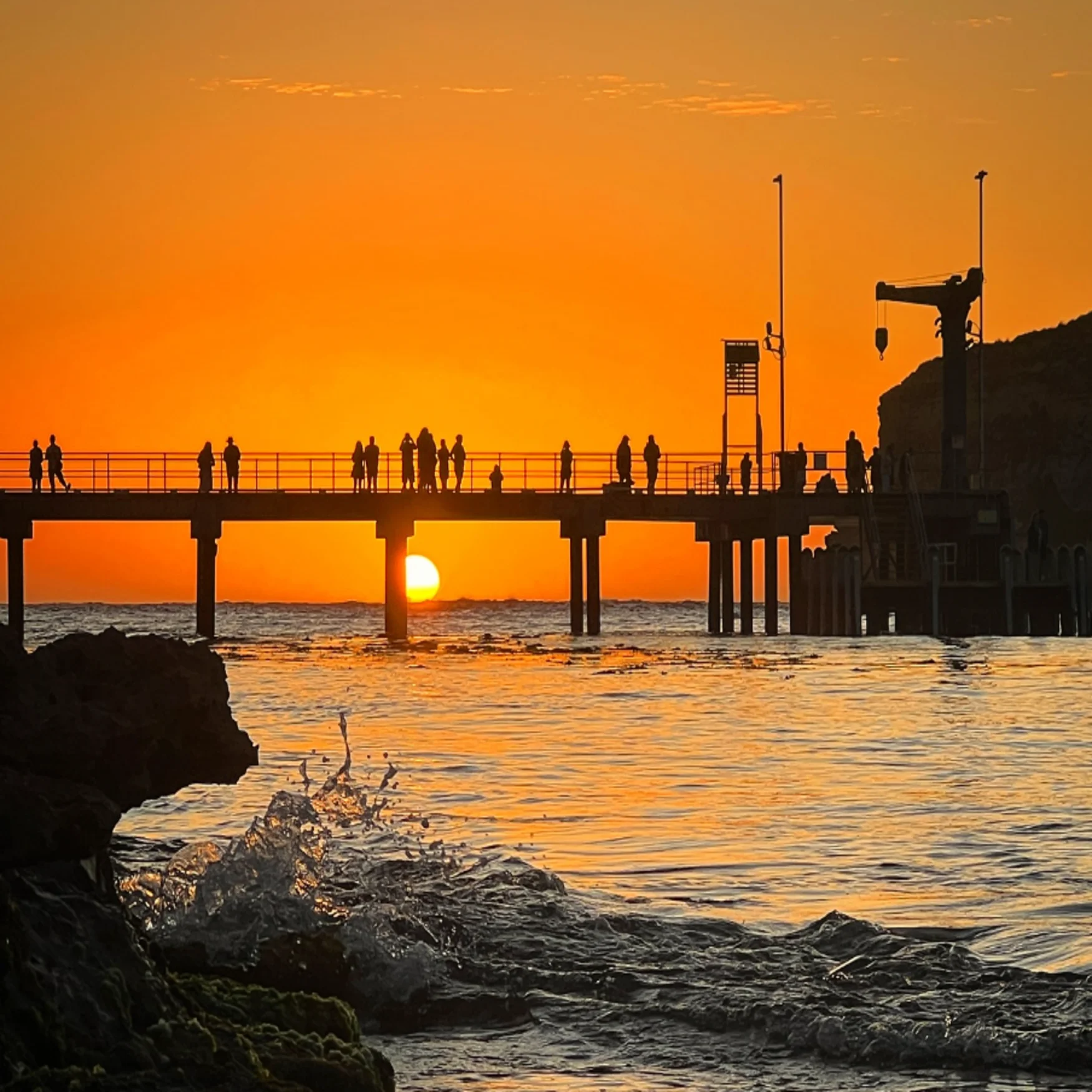
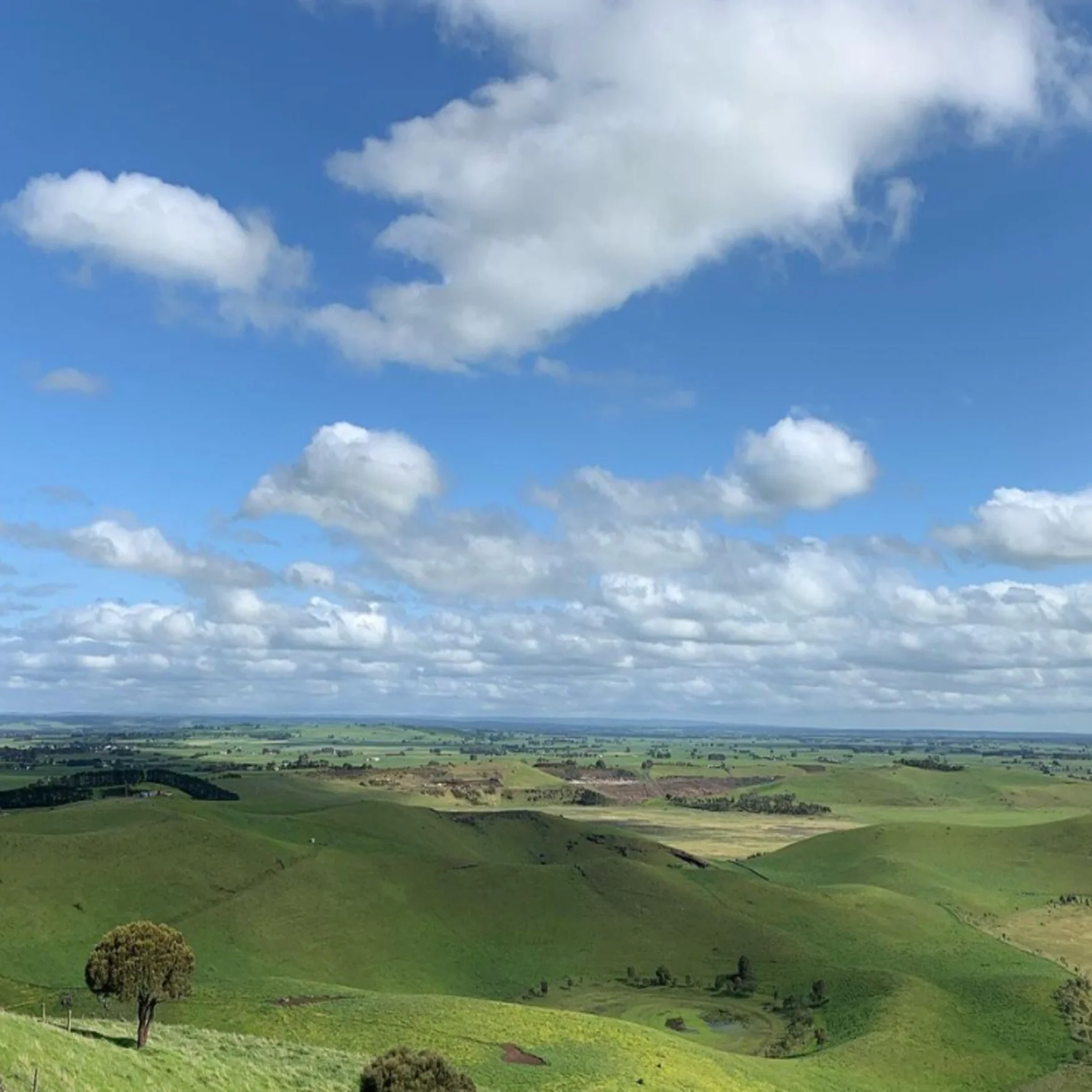
Our route directly along the Great Ocean Road ends in Port Campbell. We have lunch at 12 Rocks Beach Bar (19 Lord St, Port Campbell, Victoria) overlooking the ocean, wander along the beach of a small bay and head towards Melbourne.
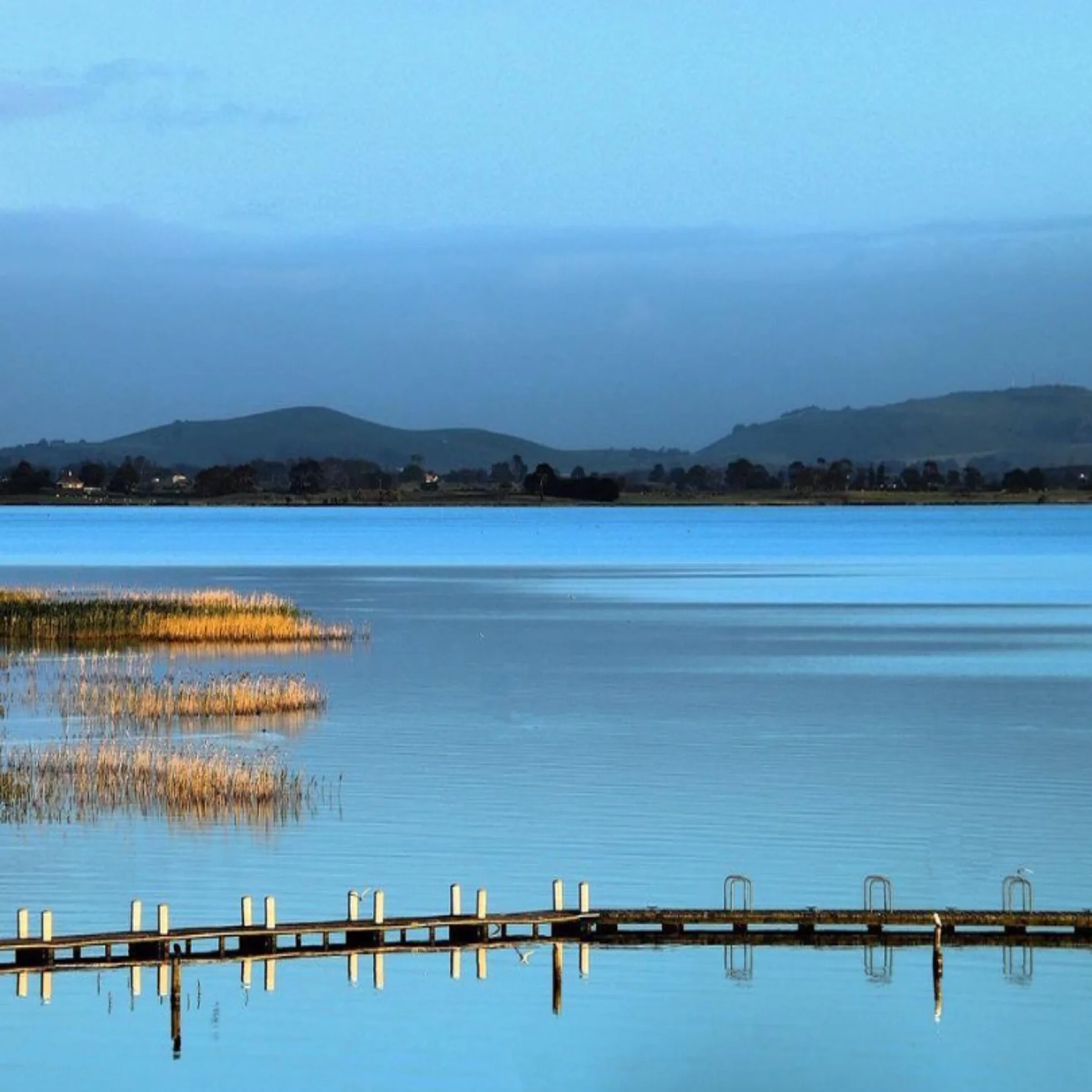
We return a short distance along the usual route in the agricultural areas of Victoria rather than along the coast. But there is another exciting object ahead—the volcanic Lake Kolak.
The Red Rock Volcanic Plain is about 8,000 years old. Numerous eruptions have formed flat-bottomed craters (maars) and lakes here, including large ones like Colac and Corangamite. We stop by to see them from the Red Rock Scenic Lookout. The site itself is located on a dormant volcano. From the top are 360-degree views of the entire surrounding plain and lakes. It is a stunning place to end the Great Ocean Road route.