
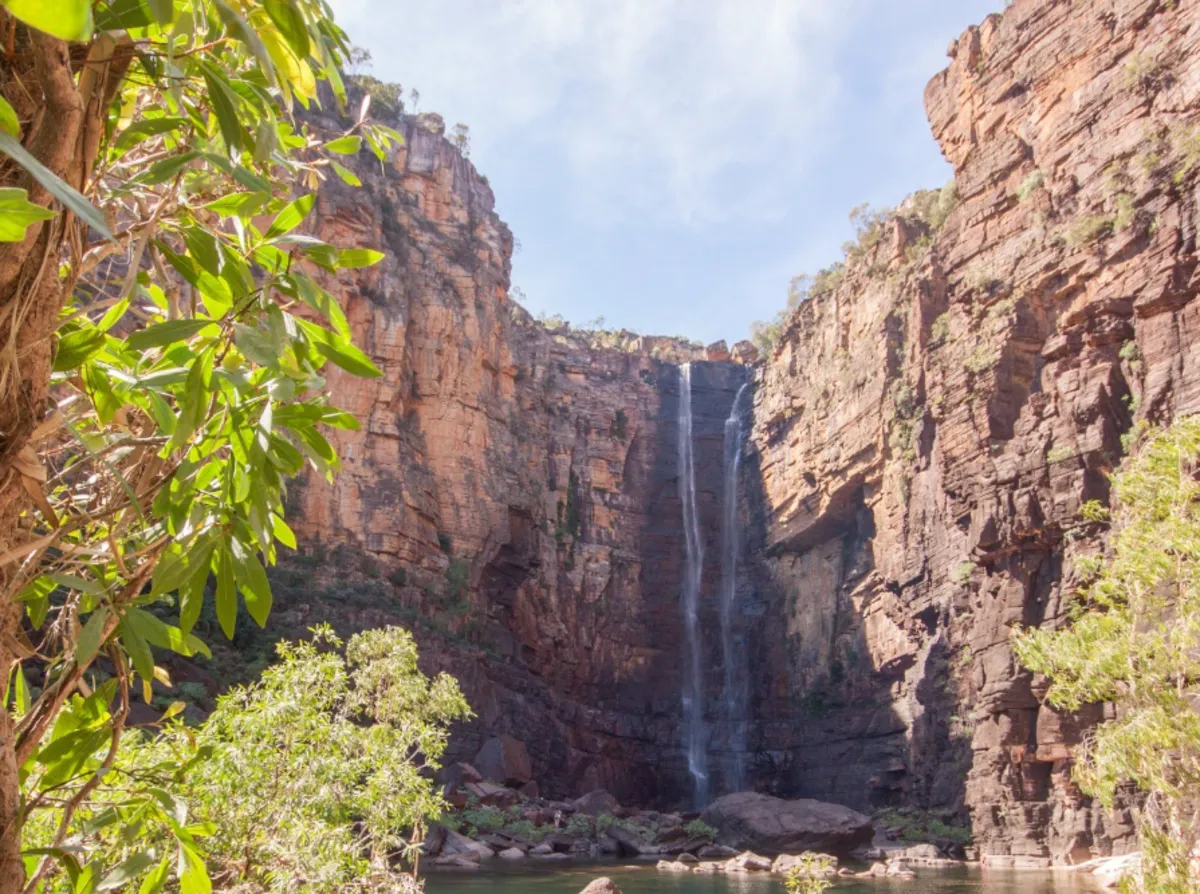
Kakadu National Park is in the Northern Territory and is a vast wilderness area of stunning natural beauty and high biodiversity. Kakadu has wildlife experiences like nowhere else, from Egrets over freshwater billabongs to catching Barramundi in pristine waters.
A Wildlife Paradise
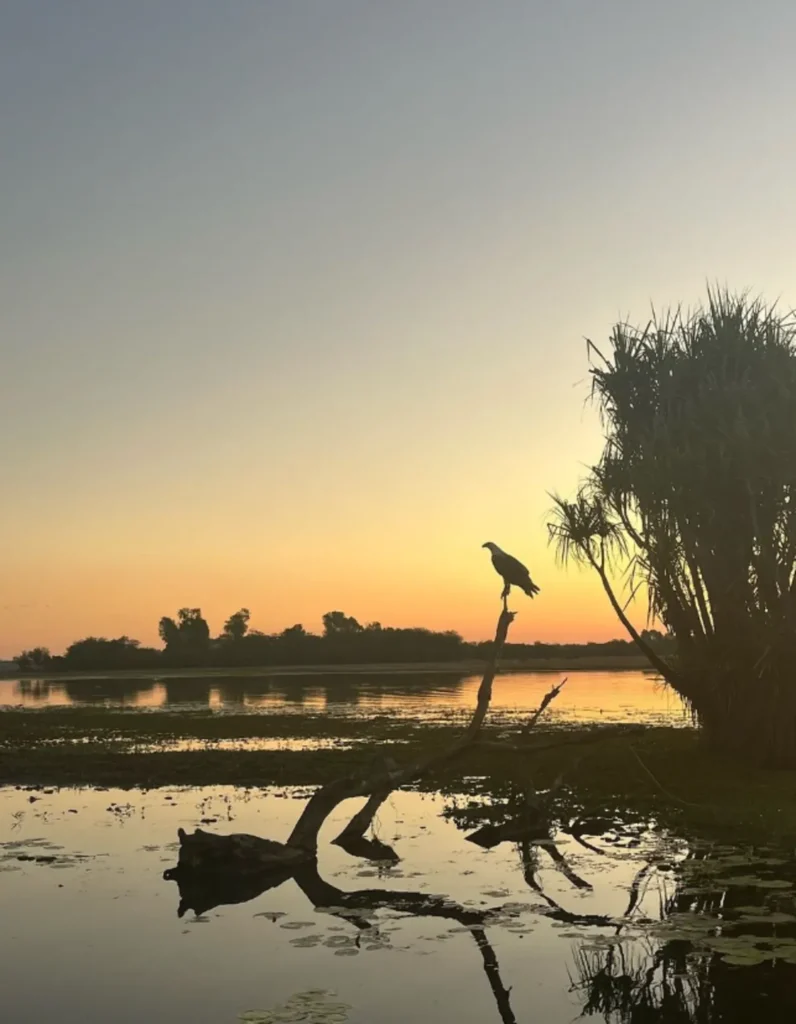
Kakadu National Park is a wildlife haven with different species in different habitats. 20,000 square kilometres of the park has diverse ecosystems: lush rainforests, fresh billabongs like Yellow Water Billabong or Corroboree Billabong, rough cliffs and waterfalls like Jim Jim Falls or Twin Falls. These environments are home to an incredible array of native wildlife, making Kakadu the ultimate wildlife destination.
Biodiversity in the Area
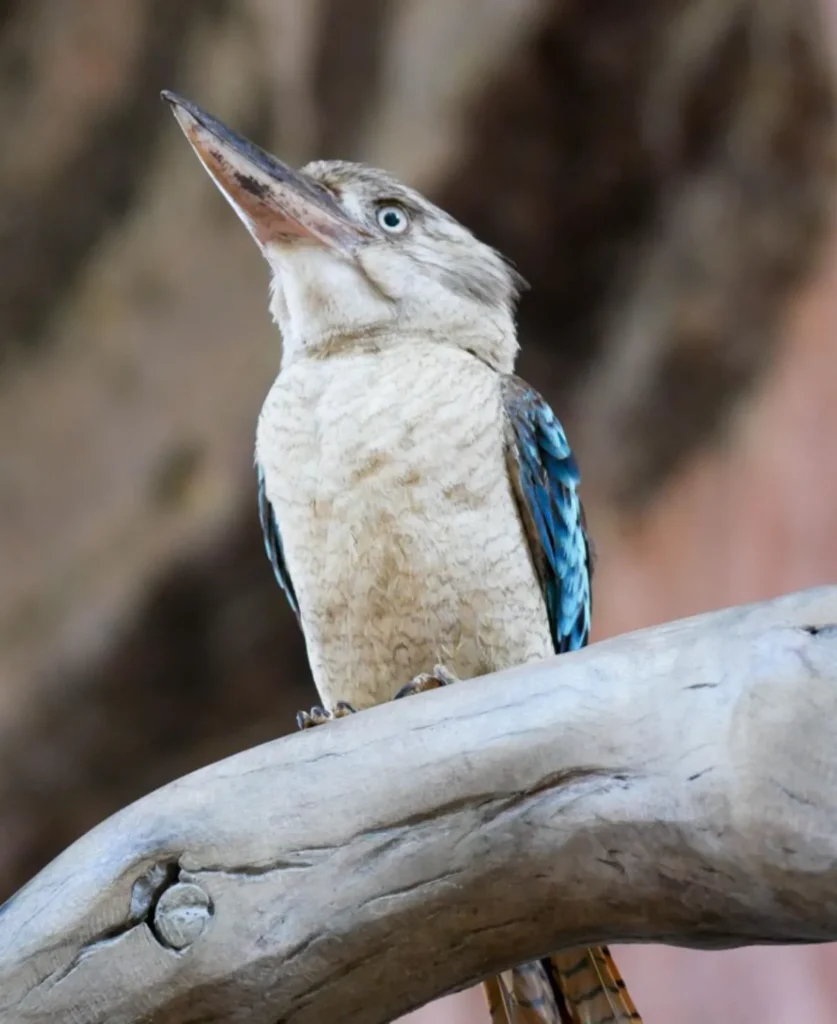
Kakadu has incredible biodiversity. Over 280 bird species including migratory birds and black-necked stork. Indigenous animals like Agile Wallaby and Sugar Glider are rarely seen. Freshwater crocodiles and estuarine crocodile are reptilian residents. Fish are mainly Barramundi in freshwater rivers; many insects and amphibians also live here. Thousands of years of aboriginal occupation has shaped the region’s history and ancient landscapes and wildlife.
Weather and its Impact on Wildlife
Wildlife in Kakadu is weather dependent. There are two seasons in this park: wet season (November-April) with heavy rain and dry season (May-October). The heavy rain in the wet season creates temporary wetlands and freshwater billabongs, which attract migratory birds and breeding fish. Those heavy downpours keep the waters flowing as they are essential for the replenishment of the water bodies. When it’s dry, the temperature drops, water levels drop, and wildlife concentrate around water holes, giving great wildlife viewing opportunities.
Wildlife in the Area
Kakadu has many different habitats, and here’s what you’ll find:
Mammals
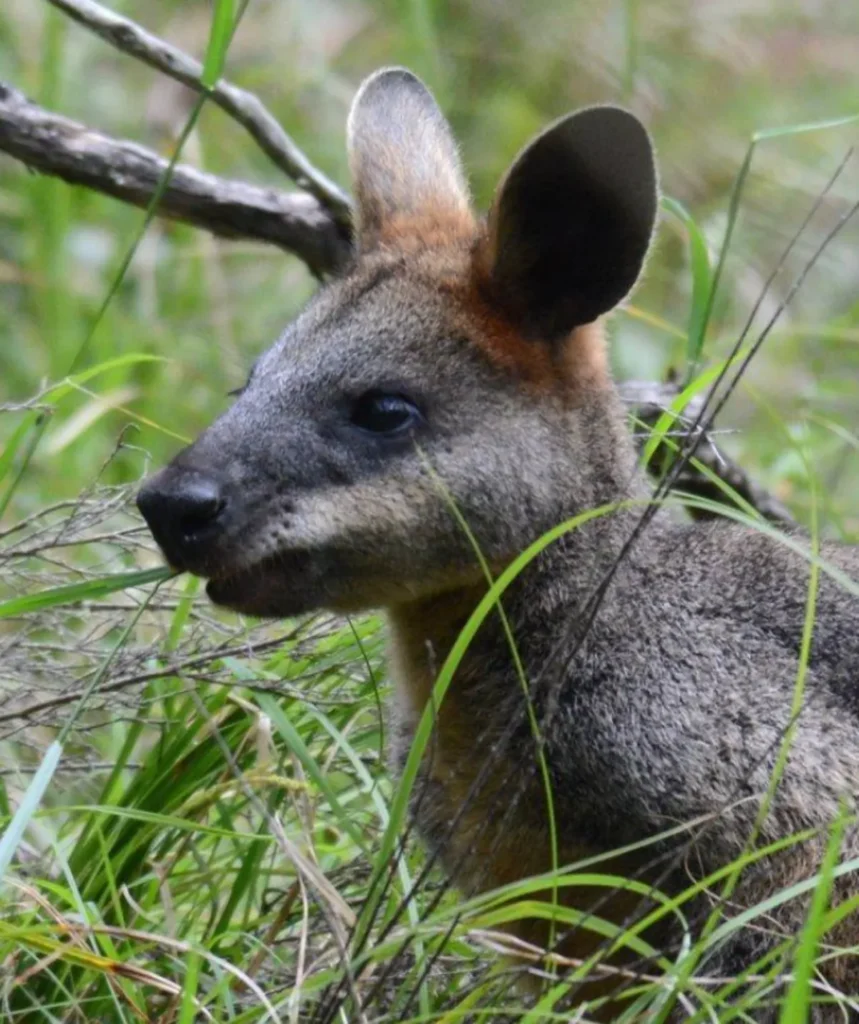
The park has all mammals, each to their own environment. One of these is the Agile Wallaby, famous for its speed as it bounds through the park’s open woodlands and grasslands. It can be seen munching on vegetation as it grazes across these landscapes.
Northern Brushtail Possums are also found in Kakadu National Park; they are nocturnal and stay in wooded areas or tree hollows to feed. With its bushy tail and big eyes that seem to say it all, this one is made for tree life where it eats fruit, flowers and insects.
The Black-footed rock wallaby might be one of the rarest mammals in Kakadu National Park. The wallabies blend in with their rocky terrain, so they are hard to spot. Their main food sources are leaves, fruits, and flowers, which are browsers. Finding a Black-footed rock wallaby requires patience and sharp eyes, but having them here adds to the charm of this park.
These landscapes range from wetland areas with thick vegetation to dry rock formations that provide shelter and food for these animals. It’s this ecological diversity that allows not only the survival but thriving of these species and makes Kakadu a wildlife haven for those who want to see this animal group.
Insects
There is so much diversity and abundance of insects in Kakadu National Park, and they play a big role in the park’s ecosystem balance. Cicadas hum loudly during summer, and that’s the sound of Australia. They pollinate and decompose organic matter
Meanwhile, Monarch butterflies have orange wings with black edges and are easy to spot in Kakadu. They migrate through the park each year and that’s an indirect pollination of many flowering plants and hence maintaining biodiversity.
Beetles, ants, mosquitoes, and many other insects can be found in Kakadu. They are the majority of the park’s food chain as they are food for bigger animals or part of the ecological processes of nutrient cycling.
Amphibians
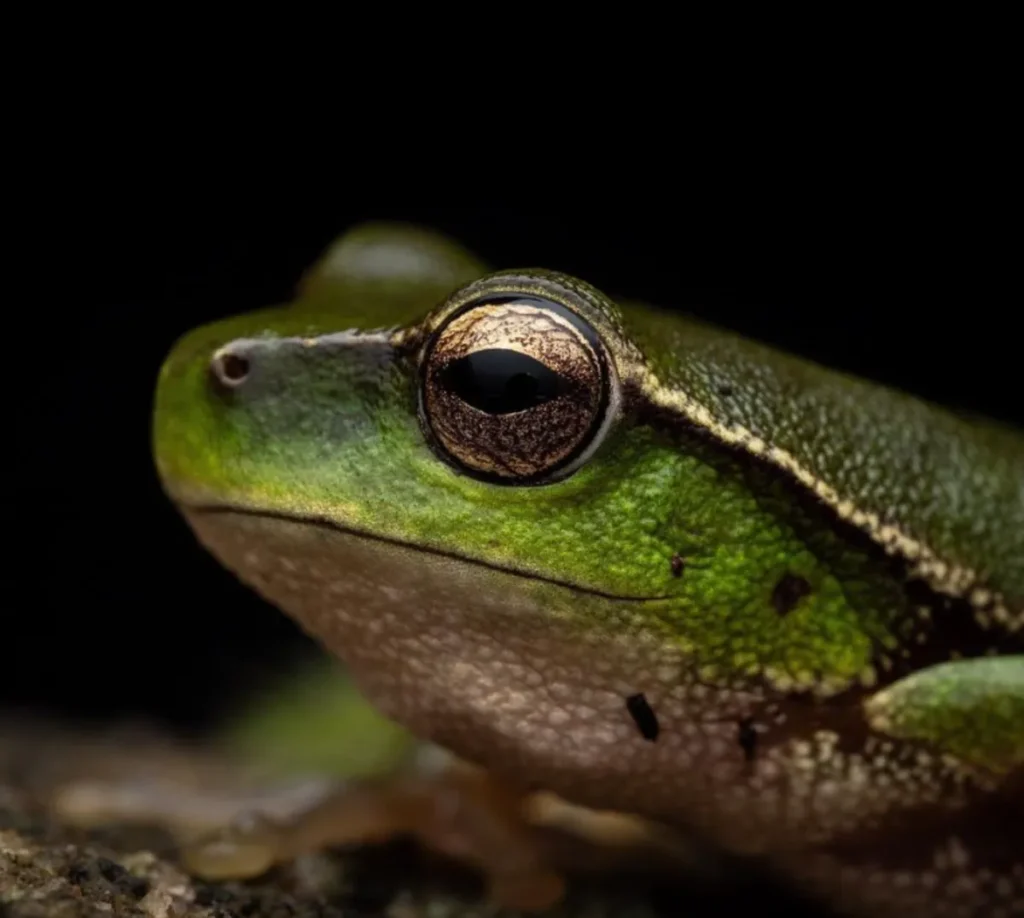
For amphibians, Kakadu is paradise with its wetlands, billabongs and seasonally flooded plains. Green Tree Frogs have bright green skin and a unique sound which makes them easy to spot around riparian areas in the parks. This is especially so when these areas get flooded during the wet season.
The other amphibian species in the park are the Northern Corroboree Frogs with yellow and black stripes on their backs. Ephemeral wetlands in the park are their breeding hotspots. The colours are a warning to predators that they are toxic.
Other amphibian species in Kakadu are frogs and toads, which live in different aquatic environments. This shows how healthy the ecosystem is because those creatures are sensitive to environmental changes.
Fish
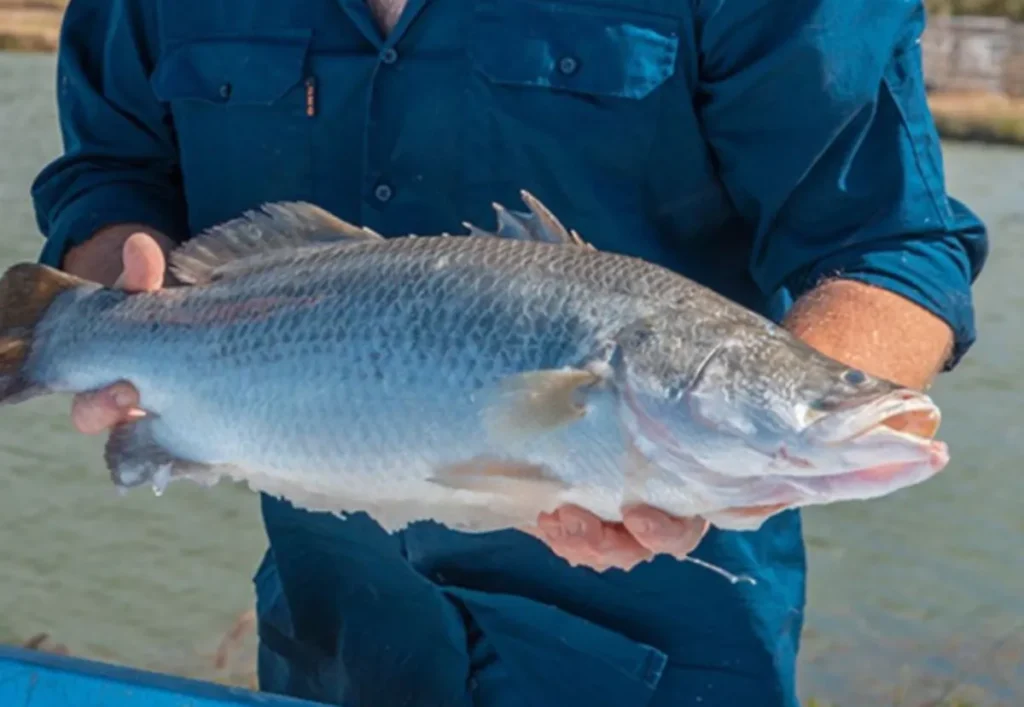
The waterways in Kakadu National Park are full of different types of fish. They are a key part of the water-based ecosystems in the park. In this part of Australia, Barramundi which is the sport fish variety because of its size and prestige is probably the most famous fish. It’s the angler’s favourite in rivers and billabongs in Kakadu National Park because it’s also part of the local food chain.
There are other species worth mentioning, like Longfin Catfish, besides Barramundi. This fish can adapt to changing water conditions in this area because of its long body and barrels, which are like whiskers. Freshwater Sawfish with a nose like a saw blade are also found in the park’s waterways. Sawfish only exist where the water is clean and pollution-free.
These fish species are part of the biodiversity in Kakadu and add to ecological stability, so predator-prey relationships within this ecosystem.
Reptiles
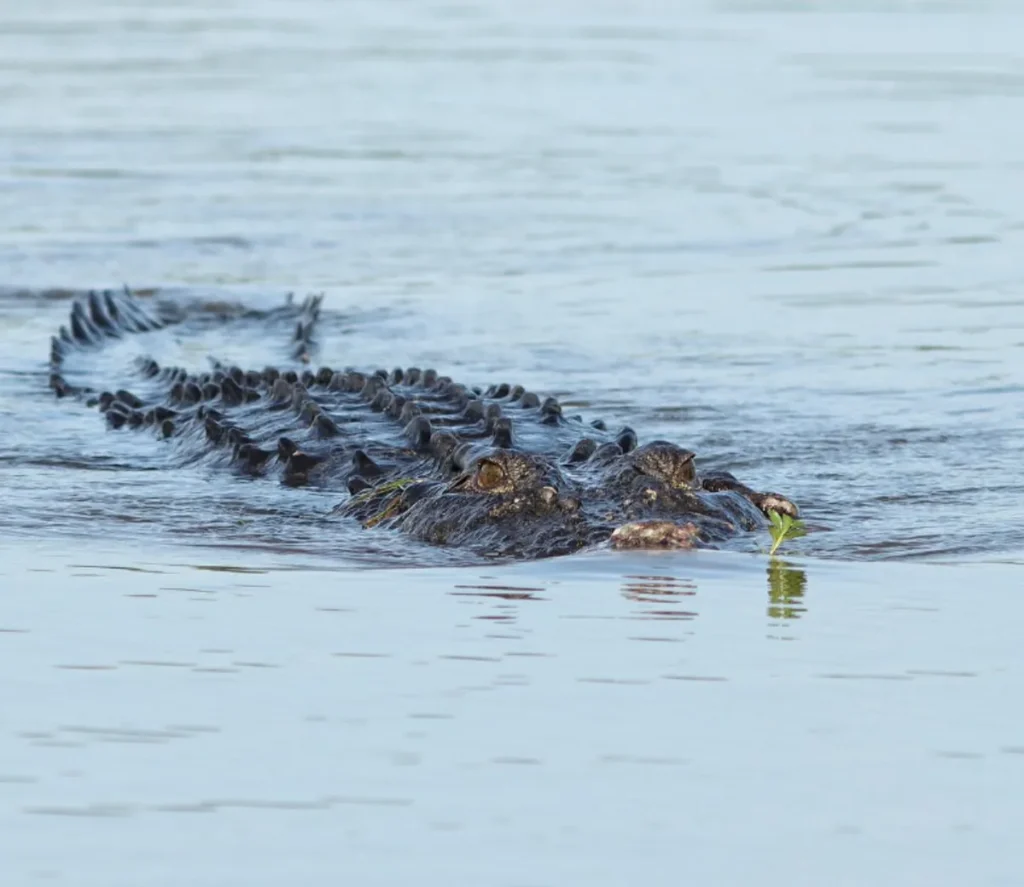
Kakadu National Park reptiles live in wetlands to rocky outcrops, living species adapted to different environments, among them saltwater crocodiles. One of the residents along the estuaries and rivers of Kakadu is the water Crocodile (Crocodylus porosus), one of the largest reptiles in the world. Salt Water Crocodile (Crocodylus porosus) is found in all major river catchments in northern Australia, including some islands, while inland populations may occur in large rivers and billabongs.
Another common reptile here is the blue tongued lizard. It’s identified by its unique scales and bright blue tongue colouration on its mouth cavity. Found in grassy or wooded areas in the national park, feeding on insects, plants and small invertebrates. The colour of its tongue is a defence mechanism against predators.
Other reptiles like skinks, geckos and pythons are found in the different habitats in the park. They are food species for larger predators.
Feral Animals
Exotic animals introduced have become a massive problem in Kakadu National Park despite its native wildlife. European Rabbits (Oryctolagus cuniculus) brought to Australia for hunting have become a pest in some areas of the park. They can destroy native plants and outcompete local herbivores.
Buffalo were introduced to the country, and they trample grasslands and wetlands and change water courses. This leads to increased erosion and degradation of habitats for endemic animals here.
But there are still efforts to manage feral populations in the park like rabbits or buffalos. Conservation activities aim to make these species have minimal impact on Kakadu’s ecosystem while protecting native fauna and flora from them. The ferals are an opportunity to preserve unique biodiversity and ecological balance in this ecosystem.
Wildlife Cruises
A wildlife cruise is another option if you want to get up close to Kakadu’s wildlife. These boats give you an unobstructed view of animals in their natural habitat, hence more chances of seeing them up close or taking photos that look almost 3D.
Kakadu Fishing Tours Departing Jabiru
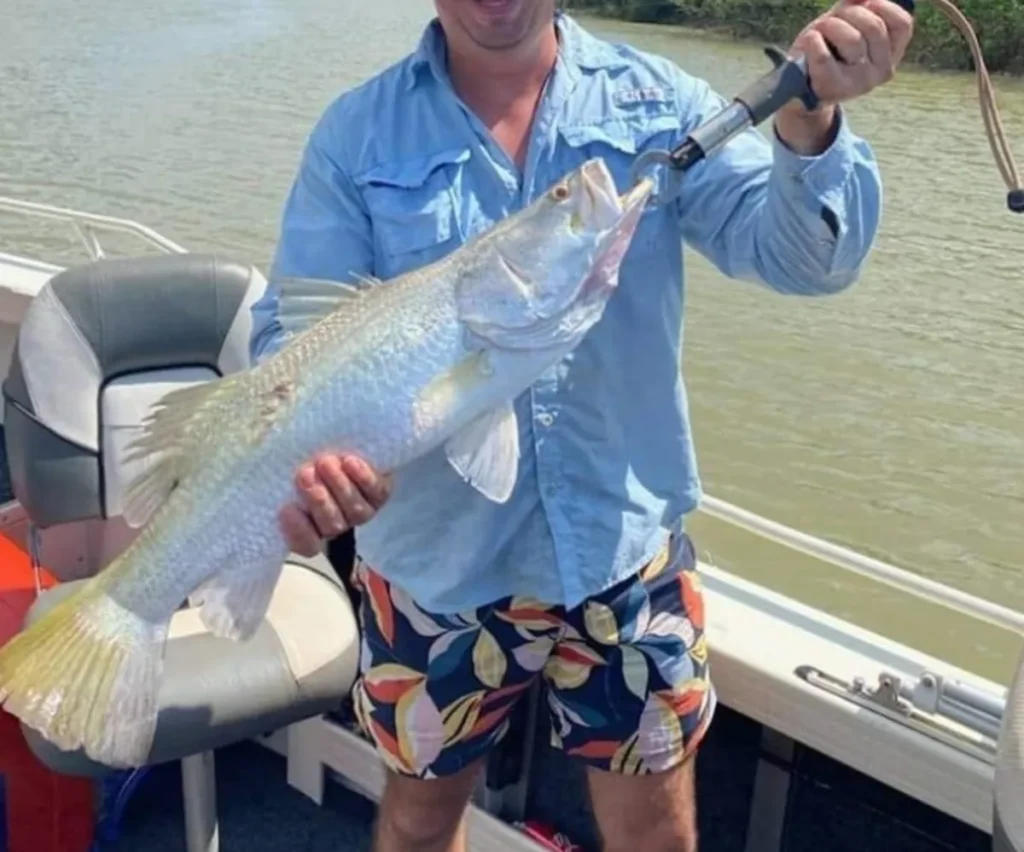
For fishing fanatics, Kakadu National Park offers a range of fishing tours departing from the park’s service town, Jabiru. These Kakadu tours from Darwin are designed for both beginners and experienced anglers who want to experience one of Australia’s most unique landscapes. The main target of these tours is the iconic barramundi, which is hard to catch but very tasty.
Target Species and Fishing Techniques
The Barramundi is the face of Kakadu’s fishing scene. This highly prized fish is known for its size and fight when hooked. The guides will provide detailed instructions and tips on how to increase your chances of catching fish as they know the local waterways and fish patterns.
Other than Barramundi, Saratoga and Saltwater Crocodile (which are not part of the target list) might be seen. Guides can take you through different types of water in Kakadu, billabongs & floodplains, rivers & estuaries so you’ll have varied fishing experiences.
Corroboree Wetlands Cruise
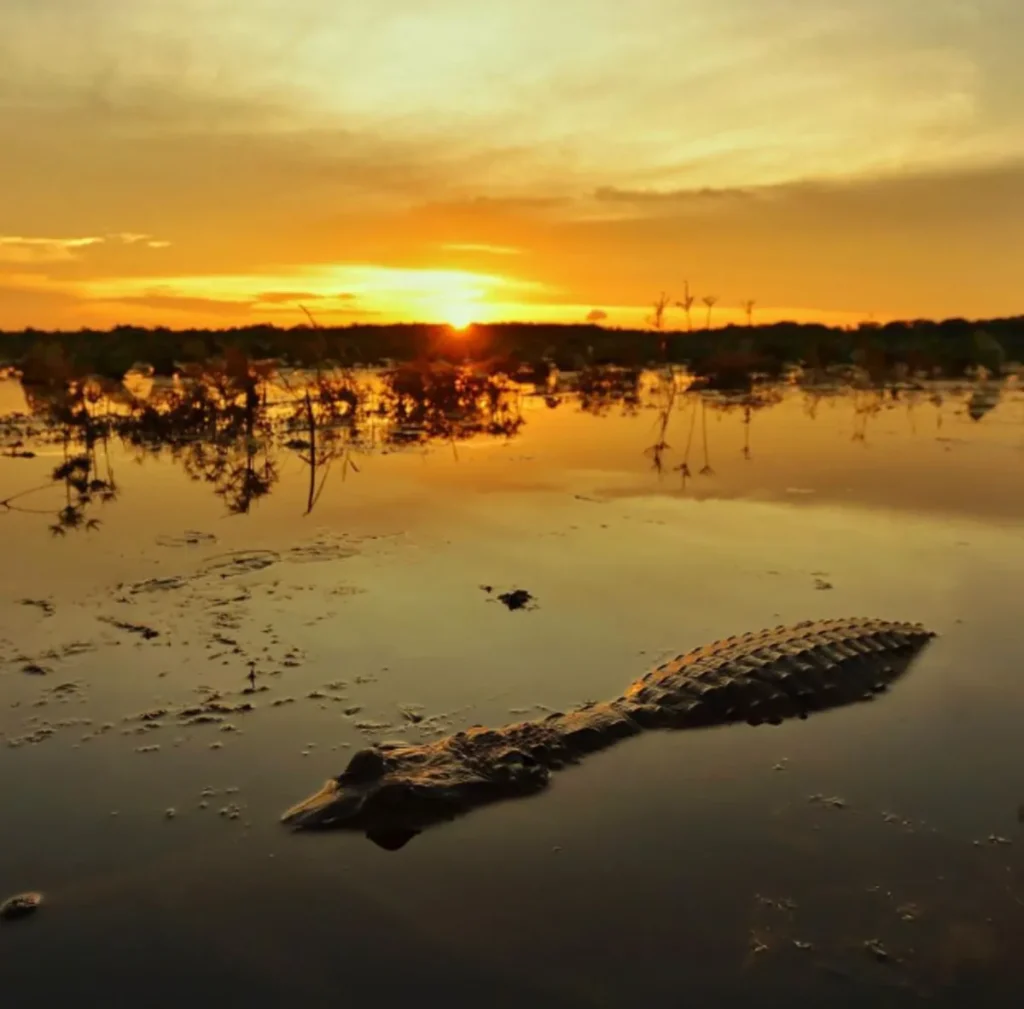
For nature enthusiasts who want to relax while experiencing Kakadu’s scenery, then the Corroboree Wetlands Cruise is for them. This cruise takes you through the calm waters of Corroboree Wetlands, which is part of Kakadu’s big wetland system.
Wildlife Spotting and Birdwatching
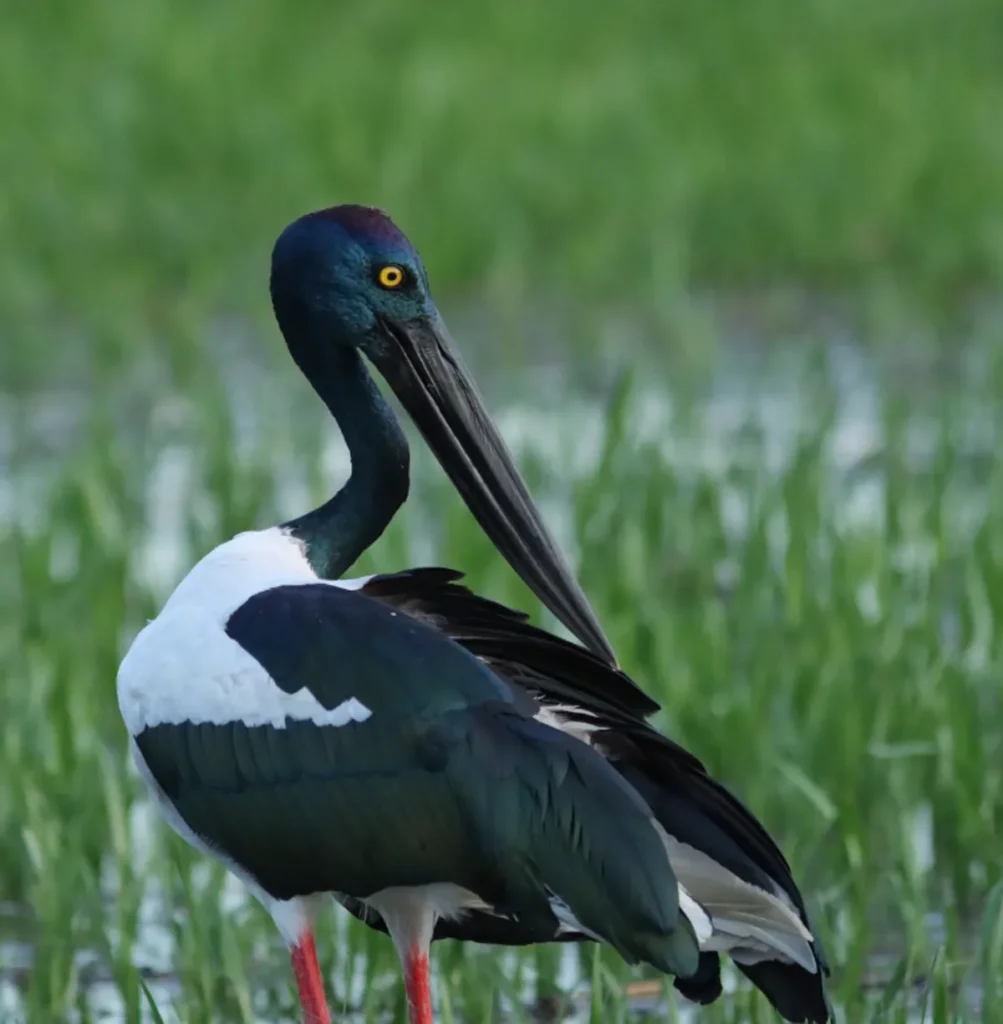
Birders love this cruise as Corroboree Wetlands is a hot spot for bird enthusiasts as many species call home here. Brolga is one of them; a large crane with a striking appearance and complicated courtship rituals. There are also other birds in the wetlands including Jabiru; a big black and white stork and many waterfowl.
Besides birds, the wetlands have many aquatic life. You will see saltwater crocodiles basking on the river banks or schools of fish swimming in the crystal clear waters. Our guides on board know these creatures well and can even tell you about their habits as they live in our environment.
Summary
From Brolgas to Barramundi fishing trips, Kakadu has wildlife encounters galore. It’s the ultimate place to see fauna and experience cultural heritage – lush rainforests, waterfalls and ancient rock art in its many environments. Whether you take a scenic flight, sunset cruise or walk the park’s iconic landscapes, Kakadu is an Aussie experience like no other.
FAQ
When is the best time to see wildlife in Kakadu?
Dry season (May – October) is the best time to see wildlife in Kakadu as animals congregate around water sources making them easier to spot.
Can I see saltwater crocodiles in Kakadu?
Both saltwater and freshwater crocodiles are found in Kakadu. Freshwater crocodiles live in billabongs/rivers within the park, while estuarine areas of the park have the most saltwater crocodile populations.
Which wildlife cruises?
Yellow Water Cruises and Corroboree Wetlands Cruise are the popular wildlife cruises in Kakadu. In their natural habitats, these cruises will see a variety of bird species and other animals.
Are there guided fishing tours in Kakadu?
Yes, led fishing trips are available for tourists in Kakadu, some depart from Jabiru. These tours will provide the expertise and access to the best spots to catch Barramundi and other fresh water fish.
What cultural experiences?
Cultural experiences in Kakadu include visiting Aboriginal rock art galleries such as Ubirr Rock and Nourlangie Rock, cultural tours that will give you an insight into aboriginal culture and traditions, or The Warradjan Aboriginal Cultural Centre to learn about the park’s Indigenous heritage.