
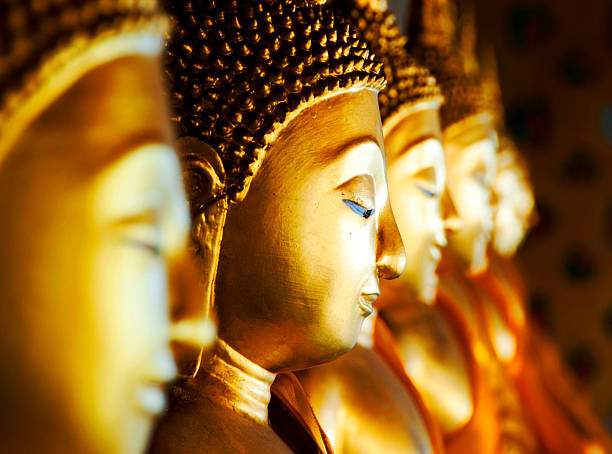
Nestled in the heart of the Russian republic of Kalmykia, Elista is an unassuming city that houses a deep reservoir of Buddhist culture. Have you ever thought about the amalgamation of Russian and Buddhist influences in a single space? That’s exactly what Elista offers.
Brief History of Buddhism in Elista
While the origins of Buddhism stretch back over 2,500 years to the plains of Northern India, its journey to Elista is relatively more recent. It was during the 17th century that Oirat Mongols, under the leadership of Ubashi Khan, made a dramatic westward migration. Arriving at the vast steppes of Europe, these Mongols brought with them the teachings of the Buddha, intertwined with their own unique cultural threads. In a way, their journey wasn’t just geographical, but also spiritual. Buddhism soon found its roots deep into the heart of Elista, turning it into a beacon of Buddhist practices in Europe.
Migration Patterns Influencing Buddhism’s Presence in Elista: 1.17th century Oirat Mongol migration 2. Influence of Ubashi Khan’s leadership 3. Integration of Buddhism with local customs and traditions
Why Visiting a Temple in Elista is Special
When it comes to Buddhist temples in Elista, it’s not just about the serene aura or the intricate architectures; it’s about an experience that transcends boundaries. Here, the crisp air carries the chants of mantras mingling seamlessly with local Kalmyk folk songs. Each temple tells a story – not just of Buddhism, but of the resilience and adaptability of a community that has faced numerous adversities. Walking through the temple grounds, one can’t help but marvel at how Buddhism, with its principles of compassion and impermanence, found a permanent home in such an unlikely place. What sets Elista’s temples apart is not their scale or grandeur (though they do not lack in either), but the rich tapestry of history and culture that they represent.
How to Prepare for Your Visit
Embarking on a spiritual journey, especially to a place steeped in rich culture and tradition like Elista, requires more than just a packed suitcase. It demands a prepared mind and heart. But fret not, with a few steps of preparation, your visit to Elista’s Buddhist temples can be a memorable and enriching experience.
Research Ahead of Time
Before you even step foot in Elista, immerse yourself in a bit of background reading. Understanding the basics of Buddhism, its rituals, and its significance in Kalmykia will not only heighten your appreciation but also ensure you approach the temples with the respect they deserve. Books, documentaries, or even digital content can offer a wealth of information. Remember, every piece of knowledge you gather will only enhance your overall experience.
Dressing Appropriately
When it comes to temples, your attire plays a pivotal role. The way you dress can determine the quality of your temple experience, as it’s not just about respecting the culture but also about feeling comfortable and fitting in.
Table: Dress Code for Visiting Elista’s Buddhist Temples
| Appropriate Attire | Inappropriate Attire |
|---|---|
| Full-length trousers or skirts | Shorts or mini-skirts |
| Modest tops (covering shoulders) | Sleeveless tops or tank tops |
| Closed shoes | Flashy or overly decorative footwear |
| Soft-colored clothing (whites, blues) | Loud, attention-grabbing colors |
| Light scarf or shawl (especially for women) | Any form of hats or caps |
Understanding the Dress Code
The essence of dressing for temple visits lies in modesty. Buddhist temples are revered places where monks and practitioners come to find peace and meditate. The attire you choose should not distract or disrespect that tranquility. Soft colors, for instance, are preferred because they reflect humility and calmness, blending seamlessly with the temple’s environment.
Why Modesty Matters in Temples
Imagine you’re deep in meditation, focusing on your breath and the teachings of Buddha, and suddenly a visitor walks in wearing a neon-colored outfit. Jarring, right? Modesty in dressing ensures that the sanctity of the temple remains undisturbed. Furthermore, it’s a sign of respect, showcasing your sensitivity towards the local customs and traditions.
Temple Etiquette: What Not to Do
Entering a temple is akin to stepping into a sanctuary of serenity, reflection, and spirituality. While your curiosity and excitement are natural, it’s paramount to maintain an aura of respect. Here are some common pitfalls to avoid ensuring you don’t unintentionally offend the locals or disrupt the tranquility of the place.
Respecting Sacred Spaces
- Avoid Loud Conversations: Remember, many individuals come to the temple for meditation and introspection. Engage in whispers if you need to communicate, or better yet, save your discussions for outside the temple premises.
- Stay Clear of Altars Unless Invited: These are sacred spaces often reserved for monks and dedicated practitioners. Admire from a distance, and if you’re curious, wait for a local or guide to provide direction.
Interacting with Monks
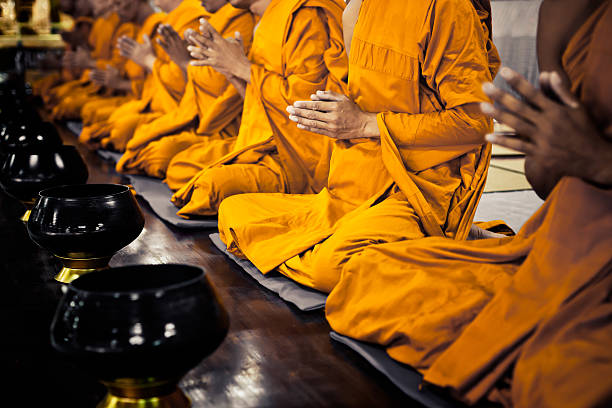
Monks are revered individuals dedicated to their spiritual journey. Interacting with them requires a certain level of decorum.
- Don’t Initiate Physical Contact: Especially for women, it’s important not to touch or pass things directly to a monk. If you have offerings or items to give, place them in a designated area or hand them to a layperson.
- Listen Actively: If a monk decides to share insights or teachings, listen actively. It’s a gesture of respect and shows your appreciation for their wisdom.
Remember, it’s not about tip-toeing around restrictions but immersing in the experience with respect and understanding. When in doubt, observe what the locals do or simply ask!
Maximizing Your Temple Experience
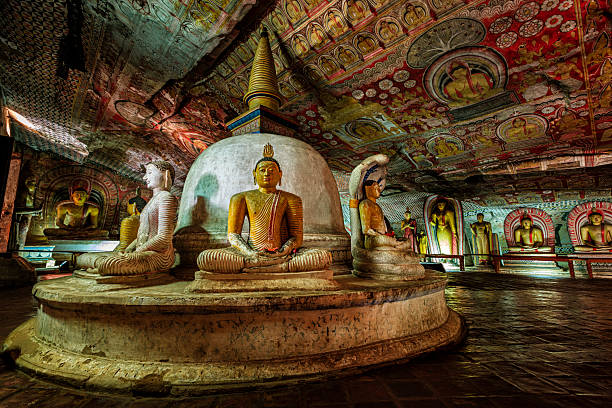
Elista’s Buddhist temples are more than just historic structures; they’re living testimonies of a rich tapestry of faith, resilience, and cultural fusion. Here’s how you can make the most of your temple visit:
Joining Group Tours
While wandering on your own has its charm, joining a guided tour can offer in-depth insights.
- Benefit from Expert Knowledge: Guides usually come equipped with stories, legends, and historical facts that can enrich your experience manifold.
- Ask Questions: Group tours are perfect opportunities to ask questions and delve deeper into understanding the nuances of the temple, its architecture, and its significance.
Engaging in Mindful Practices
Buddhist temples are not just about sightseeing; they’re hubs of spiritual practices. Dive deeper into the essence of the place by:
- Participating in a Meditation Session: Many temples offer sessions for visitors. It’s a golden opportunity to experience tranquility and perhaps even gain some personal insights.
- Attend a Chanting Session: The rhythmic chants resonate with a vibrancy that can be felt deep within. Even if you don’t understand the words, the vibrations can offer a unique, soul-stirring experience.
In essence, your visit to Elista’s Buddhist temples can be as profound as you allow it to be. Come with an open heart, respect the guidelines, and let the journey transform you!
Conclusion
Stepping into Elista’s Buddhist temples is akin to walking through portals of time, where tales of migration, adaptation, and spiritual exploration come alive. Through this guide, we’ve hoped to bridge your excitement with the essential know-how, ensuring your experience is immersive and respectful.
Table: Key Takeaways from Your Temple Visit Guide
| Aspect | Important Points |
|---|---|
| Preparation | Research beforehand, dress modestly, and understand the significance. |
| Temple Etiquette | Avoid loud noises, respect sacred spaces, and interact with monks mindfully. |
| Maximizing Experience | Join tours for deeper insights, engage in spiritual practices like meditation and chanting. |
Your visit to a Buddhist temple in Elista can be as enlightening as it is scenic. With each step on the temple grounds, you’re not just witnessing structures but narratives of faith, resilience, and culture that have withstood the tests of time. By adhering to the etiquette and maximizing your experience through meaningful engagement, you become not just a visitor but a participant in this tapestry of history and spirituality.
As you prepare to embark on this journey, remember the essence of Buddhism itself – mindfulness, compassion, and the quest for deeper understanding. Embody these principles during your visit, and the temples of Elista will surely reward you with memories and insights that last a lifetime.
Frequently Asked Questions (FAQs)
While this guide has aimed to provide comprehensive information about visiting Buddhist temples in Elista, it’s natural to still have questions. Let’s address some of the most common queries travelers often have:
- What is the best time of year to visit Elista’s Buddhist temples?
The spring and autumn months are usually the most favorable times to visit Elista. During these periods, the weather is pleasant, and many cultural and spiritual festivals are celebrated. It’s not just about comfort, but also about witnessing Elista in its vibrant splendor. - Can I take photographs inside the temples?
Generally, photography is permitted in the temple grounds, but taking pictures inside the main prayer halls, especially near altars or during ceremonies, may be restricted. Always look for signs or ask a temple official. Respect is paramount, so if in doubt, it’s best to refrain. - Are there specific rituals or ceremonies that visitors can attend?
Yes, many temples in Elista have specific schedules for prayer sessions, meditation classes, or even lectures on Buddhism. It’s advisable to check with the temple’s main office or your guide to know the timings and any specific guidelines for attendees. - Is it mandatory to make a donation when visiting a temple?
While not mandatory, it’s a common practice to offer a small donation when visiting a temple. These contributions go towards the upkeep of the temple and support the monks’ daily needs. Donating is seen as a gesture of respect and gratitude for the spiritual sanctuary the temple provides. - Are there accommodations available near the temples?
Absolutely. Elista, being a cultural hub, has a range of accommodations to suit various budgets. From homestays that offer an authentic experience to more luxurious lodgings, there’s something for every traveler.